Blog Nº 10
“Everybody knows that England is the world of betting men, who are of a higher class than mere gamblers; to bet is in the English temperament”
Hooray, I’m back in the rollicking world of Victorian adventure thanks to Jules Verne’s Around the World in Eighty Days (1873). My parents bought me a lovely edition for Christmas and it took me all of a week to devour it and see if it was in fact possible to pull off such a feat.

Of course, this book was originally written in French (and perhaps I should have read it comme ça) but I thought the English translation worked really well, in part because London is the home setting and the main character is an English gentleman, Phileas Fogg.
Whose idea was it to take on this crazy trip I hear you cry, which brings me to the premise of the story. Our protagonist Mr Fogg has just taken on a new servant, a Frenchman named Passepartout (meaning ‘goes everywhere’ – oh the irony) who is looking for a quiet, easy life with little to do after a career in the circus. Luckily for Passepartout Mr Fogg is a very meticulous gentleman who schedules every minute of his life to a T, going nowhere else but between his house on Savile Row and the Reform Club. He takes lunch and dinner at the club and spends an awful lot of time playing a card game called Whist. This creature of habit is not someone you would suspect of undertaking a journey so foreign and full of unforeseen risk.
And yet, it transpires that after a conversation with some fellow club members, Mr Fogg has calmly bet £20,000 (half of all the money to his name no less!) that he can indeed travel around the world in 80 days, starting from that very moment. Much to the glee of the gentlemen and the dismay of Passepartout, the adventure had begun.

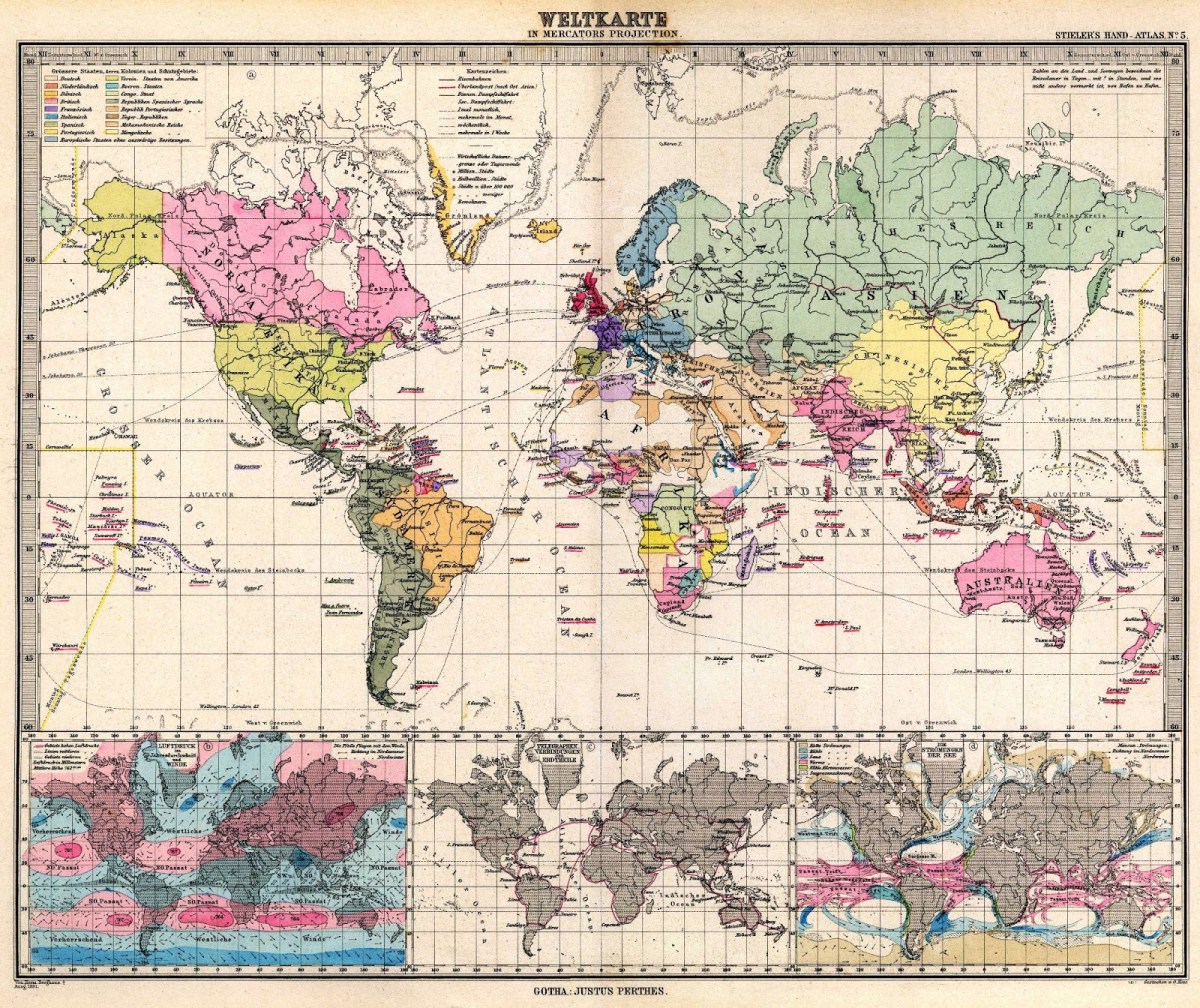
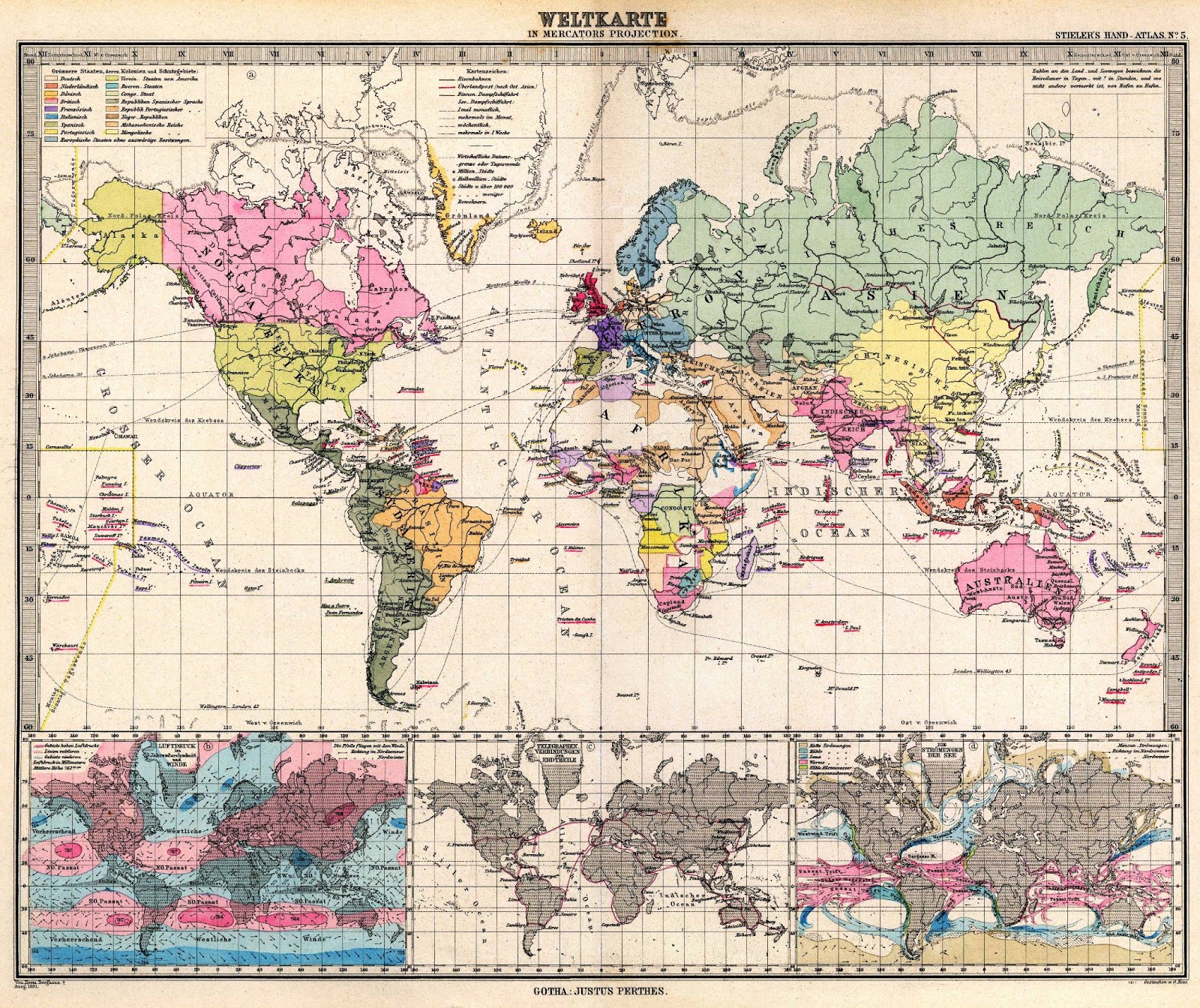
What follows is a rich and exciting journey around the world using every mode of transport available – including an elephant and a sledge. The nineteenth-century world, particularly the British or ex-British colonies is of particular historical interest to me, so I especially enjoyed being able to traverse through the likes of India, Singapore and America with the characters. Not that Mr Fogg shows any interest in anywhere for the duration of the trip, much to the astonishment of Passepartout and me the reader, however this does add a consistent element of humour to the novel. Indeed, this imperturbably cool-headed gentleman is quite remarkable, and his inexplicably calm nature comes in very useful in the many crises faced en route. He is the antidote to the chaos of Passepartout, who always seems to be getting himself into scrapes.
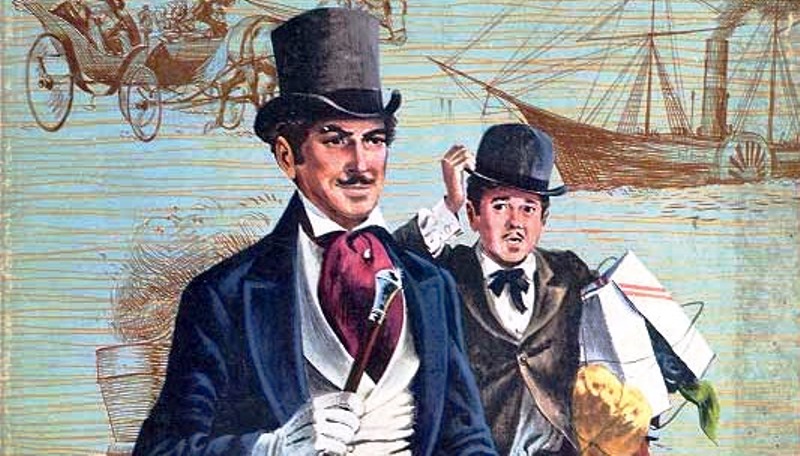
Towards the end of the voyage, Mr Fogg has got himself quite the motley crew of fellow travellers who have become as invested in this bet as if it were their own, including the conniving police inspector Mr Fix. Together they face a multitude of exciting incidents and mishaps, not least fighting off an attack by a tribe of Sioux native Americans in the middle of a train journey.
Verne’s novel is not only thrilling but witty. Even in English, all his wry comments on the nature of colonialism, stock markets, and Mr Fogg himself for example make for a drily amusing and engaging read alongside all the adventure.
The question now on your mind is probably – but did Mr Fogg and the gang manage to do it? That one I will leave up to you to find out in what is quite frankly a nail-biting and unexpected ending.
Bon voyage and happy reading,
Imo x
 ImoReads
2 replies on “ImoReads… ‘Around the World in Eighty Days’ (1873) by Jules Verne”
I haven’t read this book so thanks for the nudge to pick up a copy and enjoy the ride. Loved Passepartout!
LikeLiked by 1 person
I visited the Reform Club during Open London weekend and saw where the adventure started. Amazing interior which I reckon hasn’t changed much since Phileas Fogg was there!
LikeLiked by 1 person