Blog Nº 61
“With my pencil, I wrote myself into being.”
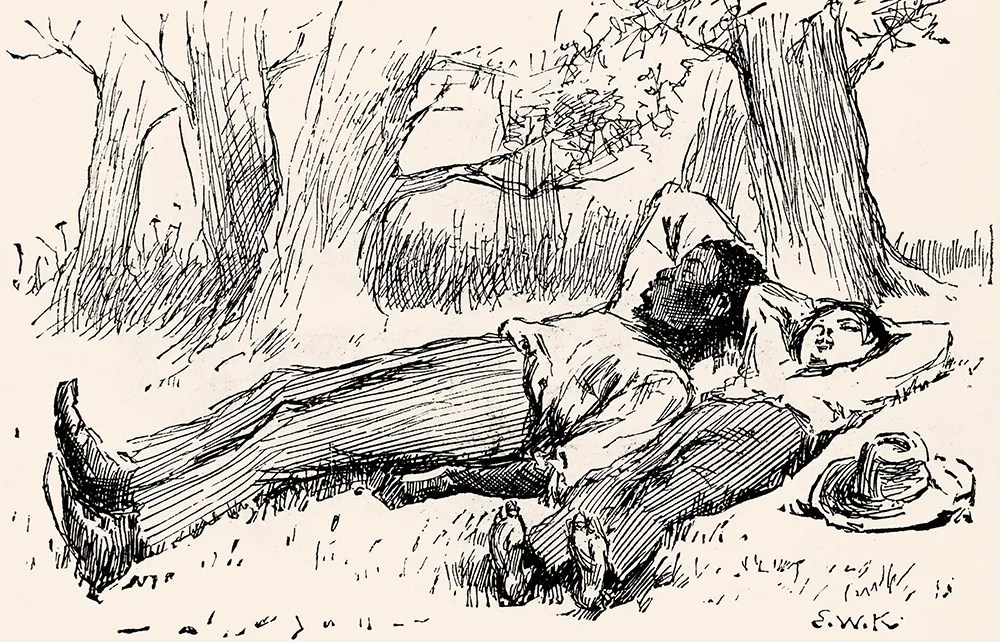
I remember being bought a beautiful edition of The Adventures of Huckleberry Finn for Christmas a few years back, which also featured Twain’s other work, Tom Sawyer. I enjoyed both books and can see why they have status as great American novels, despite the moral quandaries they both raise for the modern reader. The Guardian calls James a ‘gleeful reboot’ of Mark Twain which puts the enslaved character Jim in the spotlight in this ‘horrifying, painful and funny’ novel.
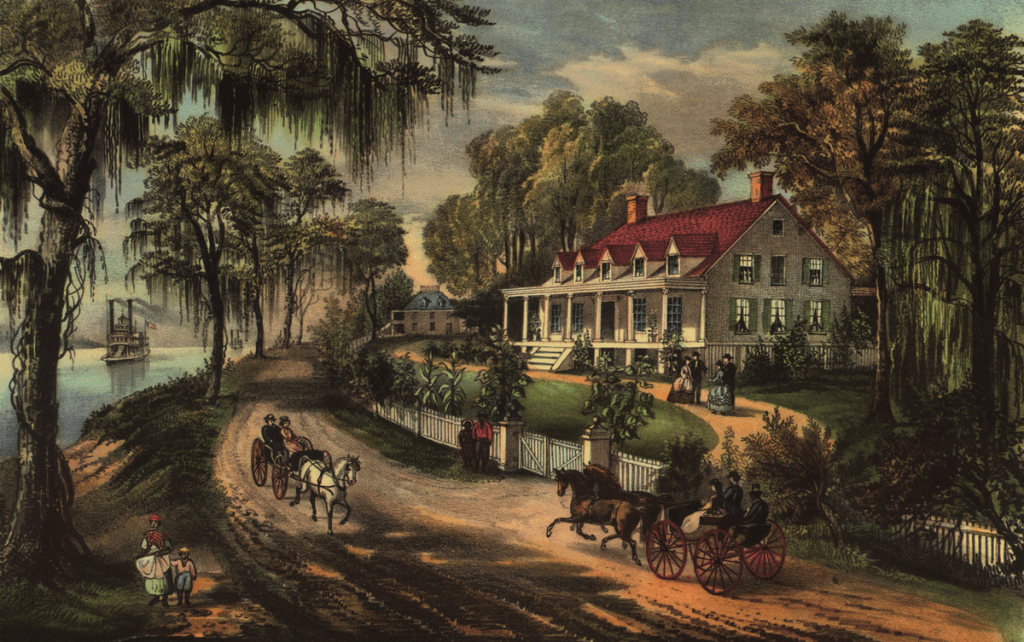
As in Huckleberry Finn, James follows an unlikely pair of runaways, young Huck and the enslaved Jim (here known as James) as they raft up the river in antebellum Mississippi. Huck has fled home to avoid his abusive father while James has run away before he can be sold away from his wife and children.
In James, the entire escapade is narrated by James himself, offering an entirely different viewpoint. In Twain’s novel, there are moments where Huck and Jim are separated and we only hear what happens to Huck. In James, we get to hear Everett’s ruminations on what happens to James during these periods, as well as James’ imagined conversations with Enlightenment thinkers Voltaire and Locke, in which he calmly deconstructs their narrow views on human rights. There are adventures and escapes in full force throughout; we see James sold to a minstrel troupe, temporarily sold to a new slaveowner, caught up in a scam by vagrants posing as a respectable gentlemen and navigating the fallout of a shipwreck.
The most important aspect of Everett’s novel, which makes James a work which employs American history and real-life dystopia simultaneously, is the calculated put on adopted by all the black characters in the novel when it comes to abilities in reading, writing and spoken language. “White folks expect us to sound a certain way and it can only help if we don’t disappoint them… The better they feel, the safer we are”, or “Da mo’ betta dey feels, da mo’ safer we be”, in “the correct incorrect grammar” required by what James calls “situational translations.”
This inversion of Twain’s work is immediately gripping and also allows for a steady build of wry comedy throughout the novel. However, as the reader you also become acutely aware that in James, roleplay goes hand in hand with survival as James and other black characters we meet along the way carefully navigate their precarious situations.
James is a compelling, thought-provoking read which excels at making the reader both uncomfortable and amused as this portrayal of a dark time in America’s history unfolds through Huck and James’ adventures. This novel will keep you thinking long after you’ve finished.
Happy reading,
Imo x
 ImoReads