
Blog Nº 28
“Miss Joan paused on the threshold, for a beautiful thing was holding her prisoner there. Just outside the orchid house was a frosted pink hibiscus bush, one of the rare ones which Old Master cultivated. A little fou-fou humming-bird had chosen the largest and most perfect of flowers to drain its sweetness. The flower was three times larger than the bird which was only like a flashing black-and-emerald moth. The bird was fluttering and humming at such a speed that it seemed to lie still along the bright warm air, its tiny claws curled up; its long sharp bill was deep in the bedecked trumpet of the hibiscus. Seconds and seconds it remained suspended there, appearing rigid, then like a drunken spirit it reeled away and wiped the sword of its beak on some lichen. Shocked by this exquisite sight, Miss Joan sighed deeply and sat down again.”
The Orchid House is Allfrey’s only novel, and it certainly makes a statement. Heavily autobiographical, the novel is set in Dominica in the Caribbean and explores themes including love, money, politics and family relations, all seen through the lens of colonial decay.
Three sisters are returning to their childhood home in the Caribbean after being away for several years. Though the family are directly descended from colonial settler heavyweights, the family has sunk into a state of near poverty with the coming of the end of empire. Each sister wants to change the family’s fortunes but in different ways. I believe that Joan is the sister that is based upon Allfrey herself – she is concerned with empowering the locals through politics, influenced by her strong socialist ideals. Interestingly, Allfrey has chosen to have the sisters’ childhood nurse Lally narrate the book. Throughout the book we see Lally’s devotion to the family come up against her awareness of the destruction left in the wake of colonialism on the island.
The choice of narrator is interesting to me. Given the time of the book’s publication, the character of Lally is in some ways reminiscent of the ‘loyal faithful slave’ character depicted in many novels written by white authors in the nineteenth and early twentieth centuries. Lally is completely devoted to the family she has been serving her whole life, and even looks down on other black characters for being unsuitable associates of said family. She always speaks about each family member with care and compassion. Though Allfrey was engaged in socialist politics and activism, it seems unlikely that she was not influenced by these stereotypes as she herself did grow up in the very same colonial environment with house servants who it would be assumed were completely loyal. On the other hand, Lally is becoming more and more aware of the downward turn in fortunes for the island. Furthermore, there are times when she wonders why at her age she is still as active in her service to the family as she was several decades ago. The narrator being black also means the reader interacts more with other black characters than if one of the sisters had been narrating. Therefore, I would say this is a slightly more well-balanced portrayal than some other books I’ve read.
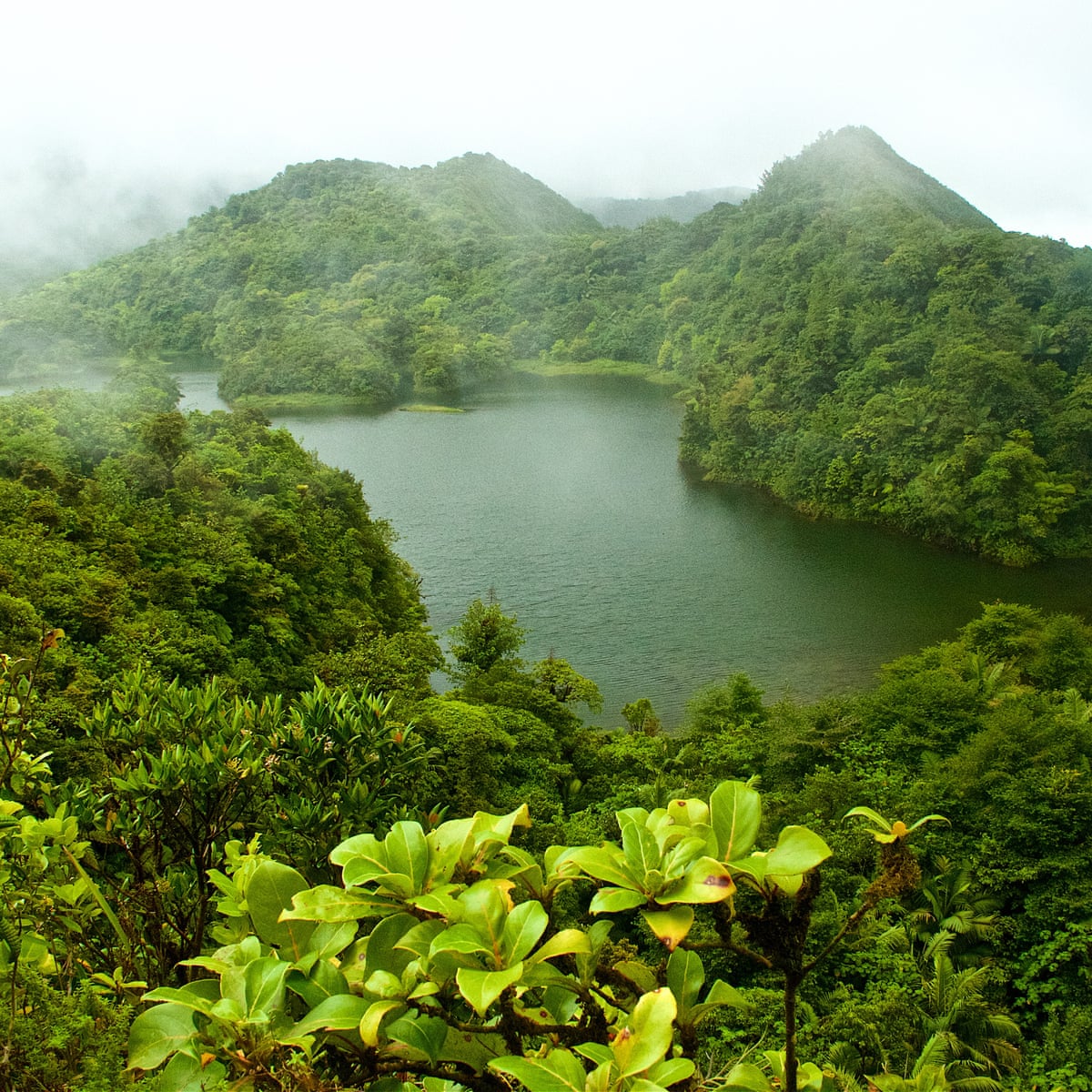
A standout feature of The Orchid House is its descriptions of Dominica’s vibrant nature juxtaposed with its colonial decline. An example of a powerful quote from Lally is, “beauty and disease, beauty and sickness, beauty and horror: that was the island.” There are many similar moments in the novel that evoke the same emotions. The occurrence of a formidable storm also indicates the power that nature wields in the Caribbean, suggesting that it is strong enough to battle against the decay being brought on by its colonial past.
This book lives up to its reputation as a Caribbean classic – it deals with a lot of important themes whilst also regaling a very personal story. I would recommend it to anyone with an interest in recent Caribbean history.
Happy reading,
Imo x
 ImoReads