
Blog Nº 5
“En transformant des relations familiales en relations hasardeuses, Dickner porte atteinte à l’institution familiale, la réduisant au hasard des croisements sanguins, et réduisant ceux-ci à une matérialité non signifiante”
Isabelle Boisclair
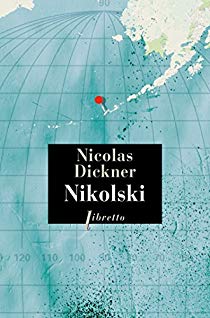
Nikolski is one of the most interesting yet frustrating novels I have ever read. Hailing from Quebec, Dickner brings age-old questions about Quebecois identity and place in the world to the fore in this humorous and thought-provoking novel. There are many themes that stand out in the text, but I am going to examine incidences of chance and coincidence because for me they are the most impacting. It is times like these when I feel privileged to have studied French, because it means I can read and understand important French-language works.

In brief, Nikolski centres on three protagonists. We have Noah, Joyce, and an unnamed narrator who are all (unbeknown to each other) related thanks to the womanising ways of one Jonas Doucet, who we never meet. This makes it very “coincidental” that for one reason or another, they all end up converging on the same neighbourhood in Montreal.
Now, like many a reader of this book I’m sure, I experienced the classic satisfaction you get from dramatic irony. Knowing about the protagonists’ relation and proximity before they did meant that I was convinced I would just keep reading until they all met by chance and experienced a glorious family reunion, and then I could think smugly, ‘I told you so’. Dickner, sly now I see he is, teases this and makes it seem a sure thing by interweaving smaller incidences of chance and coincidence into the novel. These include but are not limited to:
- Near-misses or brief encounters between the protagonists
- Links through secondary characters
- Kinship of mentality through the protagonists regularly speaking in metaphors and allusions to fish, the sea, boats and all things water
- Repeated appearances of items or characters to different characters, e.g. le livre à trois têtes, Garifuna maps and a homeless man sporting a maple leaf hat
He also builds these up to an infuriating level; for example, we go from Noah whizzing past Joyce on a bike to the two of them chatting at the airport along with Noah’s son; I was left stunned and incredulous that nothing had come of this opportunity. My reaction was such because all the little episodes of chance and coincidence, that could easily go unnoticed, make us as readers think that there is a deeper meaning to randomness and fate. Surely there must be, if it is woven so much and so easily into everyday life.
So then the awaited day was upon me, the day of reading the last chapter. Finally, the end to this tense build-up and the agonising near misses. You can imagine my horror therefore when the novel just ended; the protagonists never discover their familial links, and they all continue to lead their own lives, running parallel and only momentarily bumping into each other, but never intertwining. Dickner has cleverly constructed a world in which we believe in chance and coincidence; indeed, despite the actual ending being the more realistic outcome given the circumstances, we as readers are more suspicious of the fact that there was no grand reunion than if there had been one.

I have been thinking about this novel and its ending since I finished reading it a couple of months back. Even though I know Dickner has minutely engineered every event in his book, meaning there is no real chance and coincidence at all, I still can’t help but believe in this world he has constructed. If you fancy feeling extremely frustrated, have a read of Nikolski, either in the original French, or in the English translation.
Happy (or in this case infuriating) reading,
Imo x
 ImoReads