

Blog Nº 42
“The seas are rising, whatever you believe. Soon we will all be wet together, and together we will gasp for air.…”
My Monticello is Johnson’s debut novel, and it is a truly American tragedy. It explores racist violence in the nation and how its controversial history is still impacting ideologies and attitudes in the modern day.
The novel covers a period of only nineteen days, though things escalate quickly. Power outages and storms are battering America when the neighbourhood of First Street in Charlottesville, Virginia is attacked by white supremacists. A motley crew of residents manage to flee the scene by commandeering an empty city bus and seek refuge at Monticello, the nearby historic plantation-home of Thomas Jefferson. Narrated by student Da’Naisha Love, a young black descendant of Jefferson and Sally Hemings, one of his slaves, she and the other escapees have a complex relationship with the plantation. The group must shelter within its walls, forage the grounds and think about their next move, as the terror from the town creeps ever closer. My Monticello is a stark criticism of past and present racism, and its characters tell a story of courage, reclamation, resistance, community and hope.
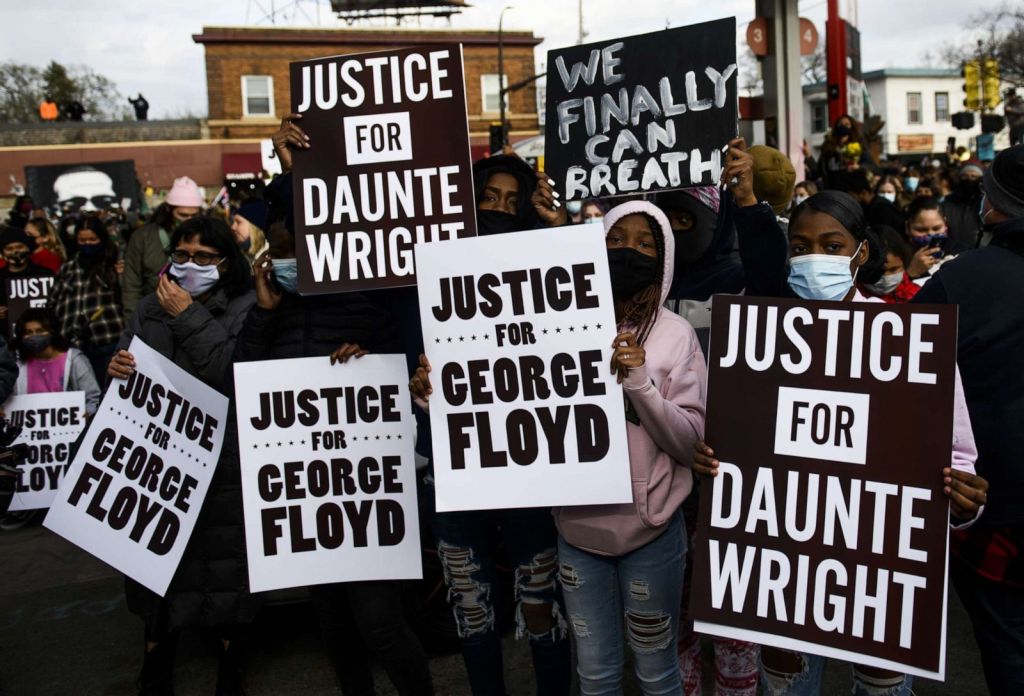
The chilling aspect of My Monticello is that you could relate the events of the story to any period in modern American history, indicating that race relations have not much improved since the era of slavery. Indeed, Charlottesville did face a racist attack in 2017 when a white supremacist drove headlong into a crowd peacefully protesting against a Unite the Right rally in the city, killing one and injuring many others. My Monticello spirals out from here, set in the near future when the impact of climate change is being keenly felt, with the resulting blackouts and floods providing opportunities for white supremacist groups to once again lay siege to Charlottesville’s black neighbourhoods with little intervention from police. It is a worrying look into the future for America as racial tensions continue to escalate and warnings about irrevocable damage to the planet become more urgent. There is a terrible irony about Da’Naisha and the others, including her elderly grandmother, having to seek refuge in the Monticello mansion house – they are driven up there by the cold and looming threat of the attacks after initially remaining down in the outbuildings. It is a macabre homecoming for these descendants of Jefferson and only adds to the American nightmare they are suffering.

Johnson’s narrative style for Da’Naisha is precise and remains graceful despite the fearful situation of the group. Short sentences, brief and incomplete dialogue exchanges and the air of concern for the future among the refugees adds to the urgency of their situation. Readers will be impressed by the group’s pragmatism and resistance despite their being heavily outnumbered and out-resourced by the encroaching attackers, mirroring historic resistance from black slaves against their white owners. And yet, the reader is also horrified by the hopelessness of their situation in a country that is seemingly unravelling.
My Monticello is a severely critical take on racism past and present, highlighting many of America’s issues in only 178 pages. It is a unique and thought-provoking debut novel that tackles uncomfortable subject matter in an imaginative and memorable way.
Happy reading,
Imo x
 ImoReads