Blog Nº 34
“Independence is all very well, but we animals never allow our friends to make fools of themselves beyond a certain limit.”
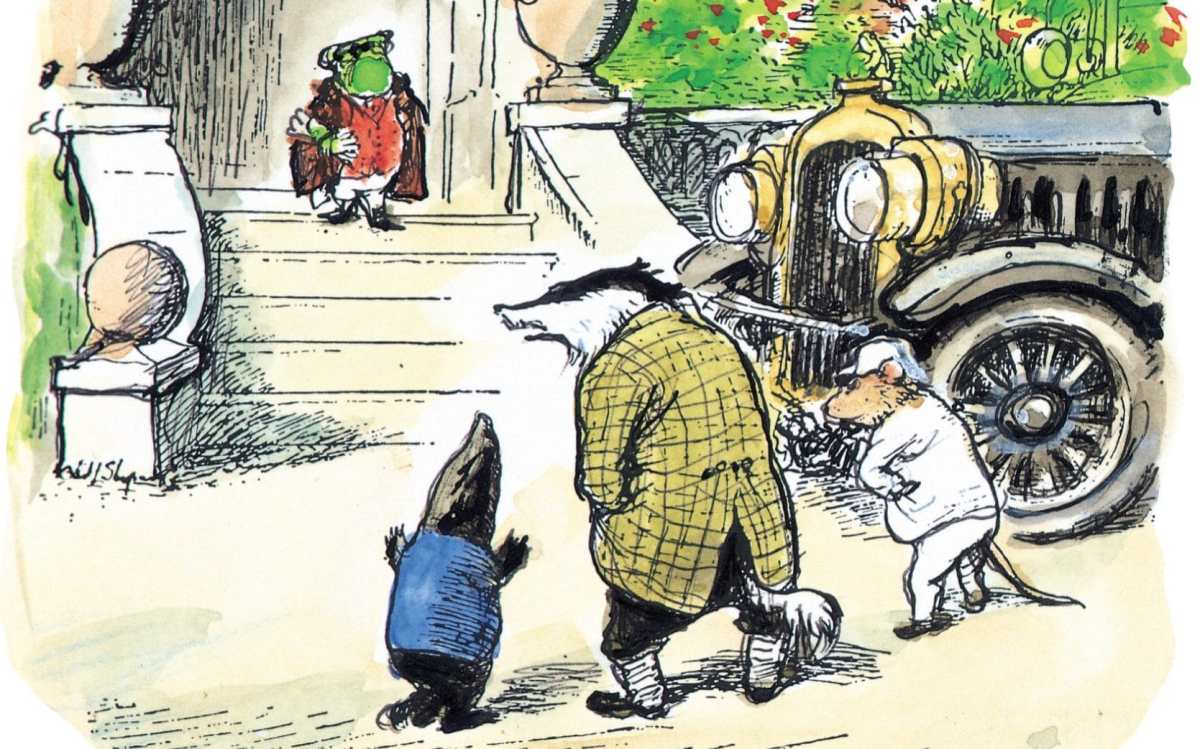
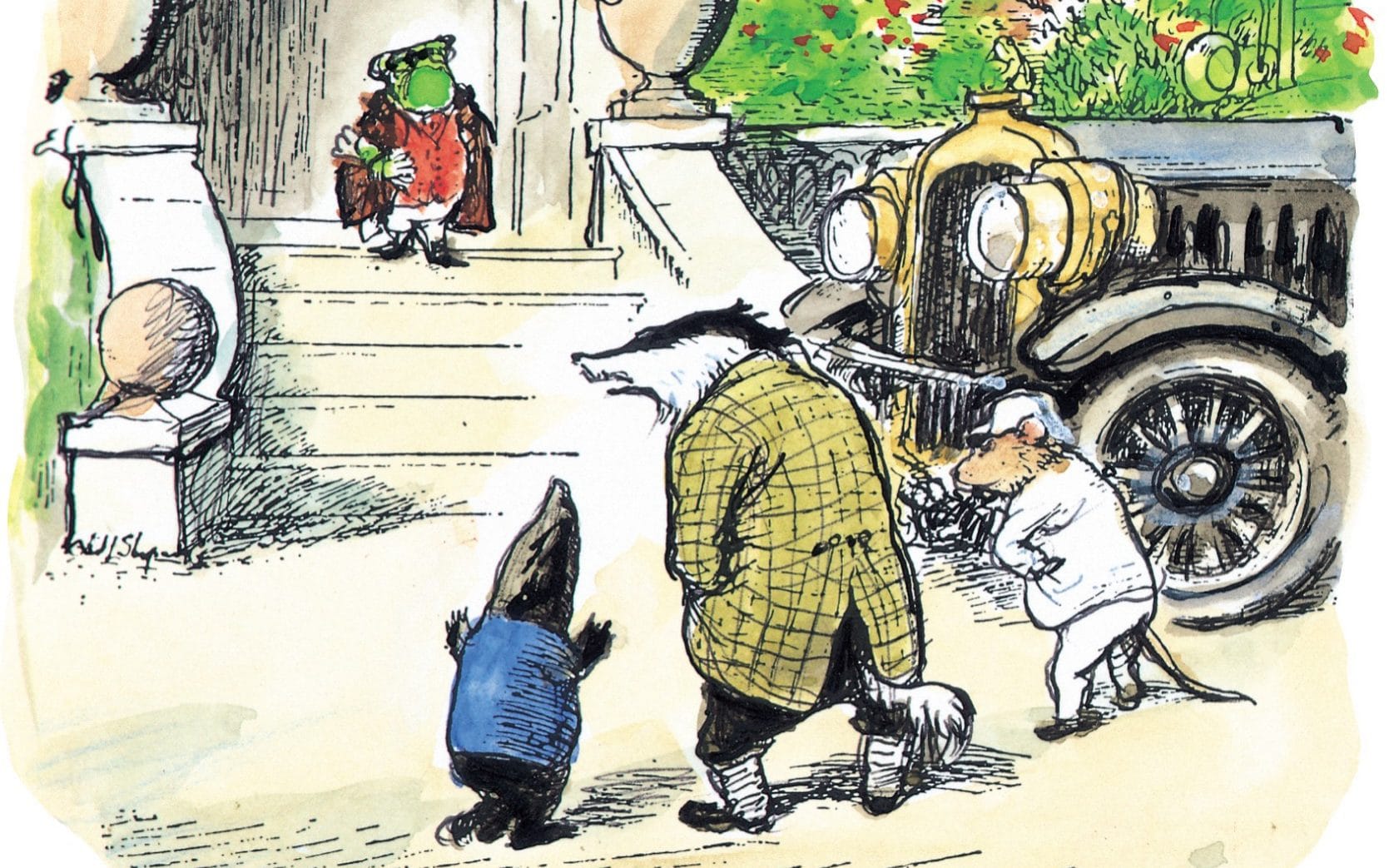
I was thrilled to receive a beautiful hardback copy of The Wind in the Willows, complete with the masterful original illustrations by E.H. Shepard, for Christmas. Though I have read and re-read many children’s classics over the years, this was my first time reading The Wind in the Willows and it was an absolute joy. It truly is timeless and can be enjoyed by all age groups.
The novel begins with Mole venturing out of his burrow to experience the world above. There he meets the brave Ratty, the kind Badger and the mischievous Toad. These four unlikely friends are in for adventures galore in the English countryside, much to the enjoyment of all readers.

What is brilliant about The Wind in the Willows is how Grahame has managed to create a story about animals, but has given them enough human characteristics to create a charming and amusing novel. For example, Ratty, Mole and Badger all live in their expected habitats – the riverbank, a burrow and a set. And then there is Toad, the aristocrat of the group, who lives in the mansion Toad Hall and has an obsession with motor cars. They are all finely clad in waistcoats and tweed jackets, they enjoy rowing down the river and always love a feast. Ratty in particular loves a picnic, containing delicacies like cold beef, cress sandwiches and ginger beer. They are constantly referring to each other as ‘old fellow’ and similar terms of endearment popular at the time, further adding to the impression that they are classic English gentlemen. And yet, we are still acutely aware that they are animals. Referring to living through winter and hibernation we learn that, “no animal, according to the rules of animal-etiquette, is ever expected to do anything strenuous, or heroic, or even moderately active during the off-season of winter.” Grahame has somehow created a world in which being an animal and an English gentleman makes perfect sense, and this makes for a witty, joyful read.
The world in which The Wind in the Willows takes place further emphasises that we are peeking into an English paradise. The summer is always warm and sunny, and the action mainly takes place along the beautiful blue river, where we have the luscious green riverbank and fields, we have the wild wood and of course Toad Hall which is reminiscent of a typical English country estate. The animals even have a few encounters with local villages, but they do not ever venture past a certain point, into the ‘Wide World.’ Grahame was partially inspired by Henley-on-Thames in Oxfordshire when writing The Wind in the Willows.
This novel came about based on the stories that Grahame used to tell his son Alastair at bedtime, and it is said that his son was the inspiration for the rascally character of Toad. I am so glad that many generations since have got to enjoy this tale which started off as a bedtime story between father and son. Grahame has created something magical and memorable, with humour and charm that will never fade.
Happy reading,
Imo x
 ImoReads