

Blog Nº 36
“Nature’s creative power is far beyond man’s instinct of destruction.”
I am already a fan of Jules Verne after having read Around the World in Eighty Days last year. In terms of an adventure story, Twenty Thousand Leagues Under the Sea did not disappoint, and also happens to cover vast swathes of the globe (albeit exclusively by sea!). This novel is full of exciting moments and makes you marvel at the world below the surface.

Twenty Thousand Leagues Under the Sea is narrated by Professor Pierre Aronnax, a French marine biologist, who happens to be in New York City when the story begins in 1866. Various ships coming in to port have reported sightings of a mysterious sea monster, thought by some to be a giant narwhal. When an expedition to find and kill the creature is authorised by the US government, Aronnax and his faithful assistant Conseil are invited along to offer their expertise. Master whaler and harpooner Ned Land is also among the invitees. When their ship the Abraham Lincoln eventually finds and faces off with the creature, Aronnax, Conseil and Ned Land are thrown from the ship. They hold onto the ‘monster’ for survival, which they shortly realise is in fact some sort of submarine vessel. They are taken within by its mysterious Captain Nemo, and then follows a five month adventure aboard the Nautilus. Verne portrays a world filled with marvellous sea creatures, lost cities, treasure, coral forests and more in this non-stop adventure novel.

What is staggering about this novel is the amount of research Verne must have done to make Aronnax and Conseil’s knowledge of marine biology seem accurate and to be able to describe the seabed and everything around it in such vivid detail, not to mention the geographical precision which is present throughout the book. Undoubtedly, Twenty Thousand Leagues Under the Sea is as educational as it is adventurous. For example, when walking in scuba suits through the underwater forest of Crespo Island, Aronnax reels off names including zoophytes, fishflies, brain coral, ribbon kelp and more, not to mention technical species names like caryophillia and dactylopterae. I was consistently impressed by this throughout the book, and wonder how many hours Verne spent painstakingly researching this to make a fantastic novel.

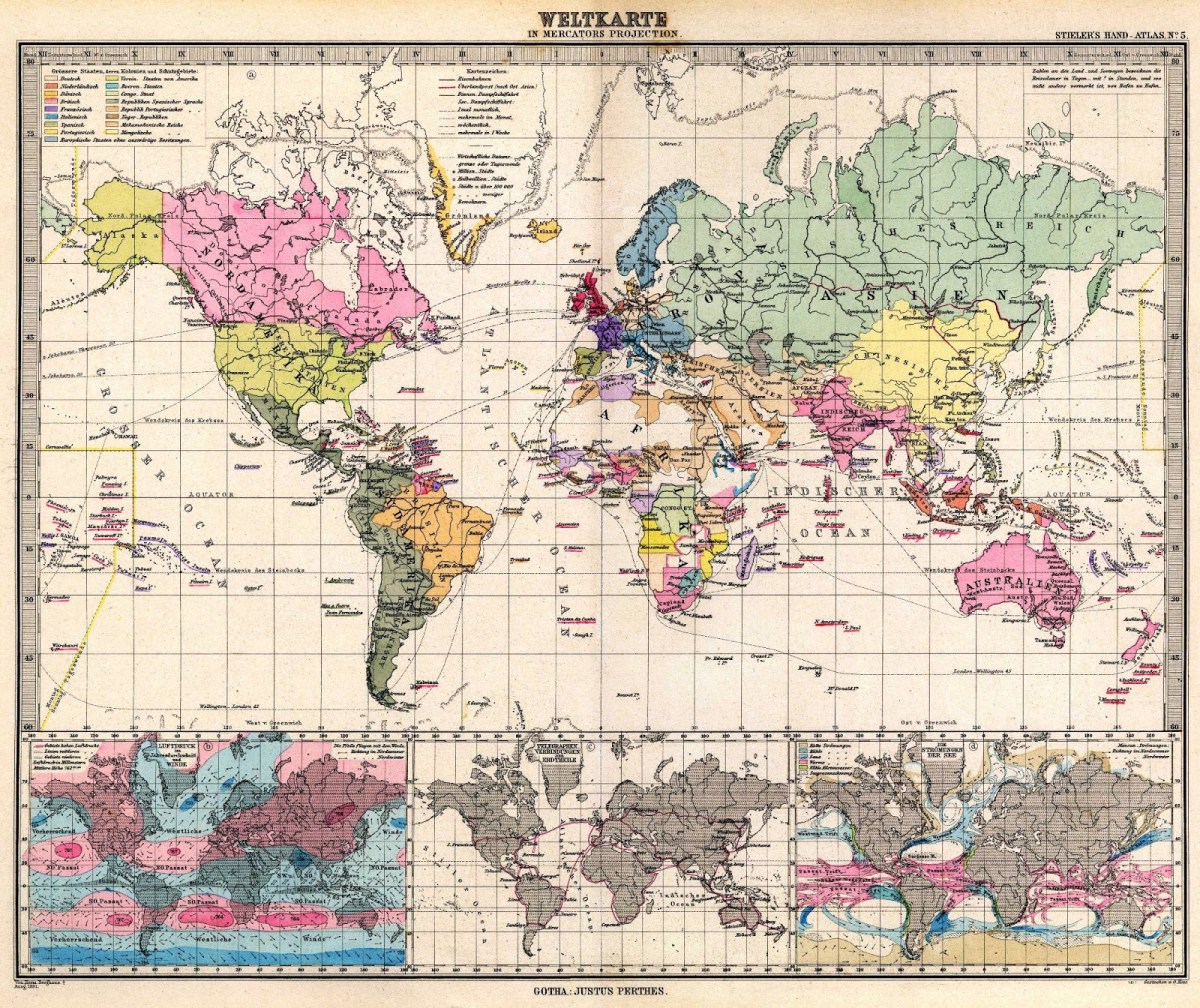
The adventure in this novel has many layers. It is of course fascinating to see the group travelling across the world – at one point Aronnax muses over some of the things they have encountered during their stay on board the Nautilus: “the underwater hunting forays, the Torres Strait, the tribesmen of Papua, the time we ran aground, the coral cemetery, crossing under the Suez, the island of Santorini, the Cretan diver, the Bay of Vigo, Atlantis, the South Pole ice cap, being trapped under the ice, the battle with the squids, the hurricane in the Gulf Stream, the Vengeur, the horrific sinking of the warship with the loss of all hands!…” The mind boggles at the twists and turns faced by Aronnax, Conseil and Ned Land. The adventure goes deeper however, thanks in the main to mysterious Captain Nemo, who secretly built this ahead-of-its-time submarine and spends his time travelling the seas. Nemo lives in a self-imposed exile on board the Nautilus, both for the purpose of scientific discovery but also to escape human civilisation. Though the trio are afforded every privilege and unbelievable experiences on board the ship, there is always a sinister undercurrent running through the story, as Nemo says from the start that they can never leave the vessel for fear of discovery by the rest of the world. Eventually, an escape must be plotted so Aronnax, Conseil and Ned Land are not doomed to spend the rest of their lives on the Nautilus.

Twenty Thousand Leagues Under the Sea is a fascinating and gripping tale of marine adventure, with a deeper exploration of the lengths to which people will go to overcome personal tragedy. I highly recommend diving in to this novel and immersing yourself in the wonderful world beneath the waves.
Happy reading,
Imo x




 ImoReads