Blog Nº 63
“Moonlight turns even the most civilised man into a primitive.”
The Day of the Jackal has all the hallmarks of a classic thriller; a mysterious political organisation, the enigmatic outsider, a seemingly impossible task, a peek into the shady underworld, events playing out across the continent and more. It also manages to interweave real historical events seamlessly into a fictional narrative, making for a riveting read.
Following a botched attempt on French president Charles De Gaulle’s life in 1963 (for which Forsyth was actually present at), the novel’s premise involves dissident paramilitary group the OAS who remain committed to seeing through the assassination. OAS members have lost faith in De Gaulle and France due to the relinquishing of Algeria as a colony in 1962, but are struggling to work out how to carry out the assassination following multiple failed attempts and increasingly stringent security measures around the president.
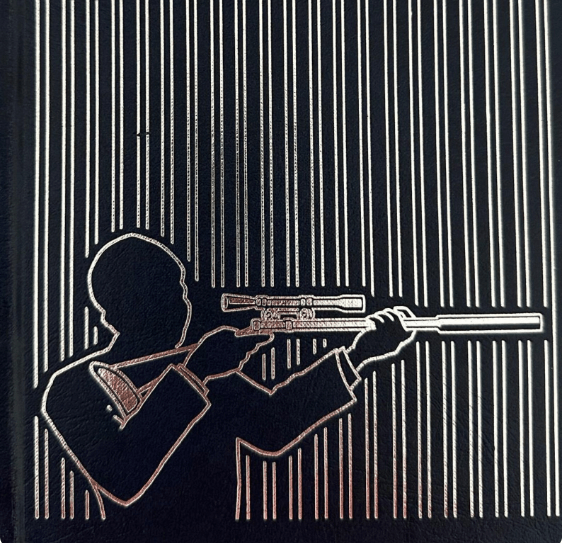
Enter, ‘the Jackal’, a mysterious Englishman hired for the job. Always cool, professional, unsettlingly unreadable, he remains committed to the task at hand despite the French police closing in on him as the novel reaches its climactic moment.
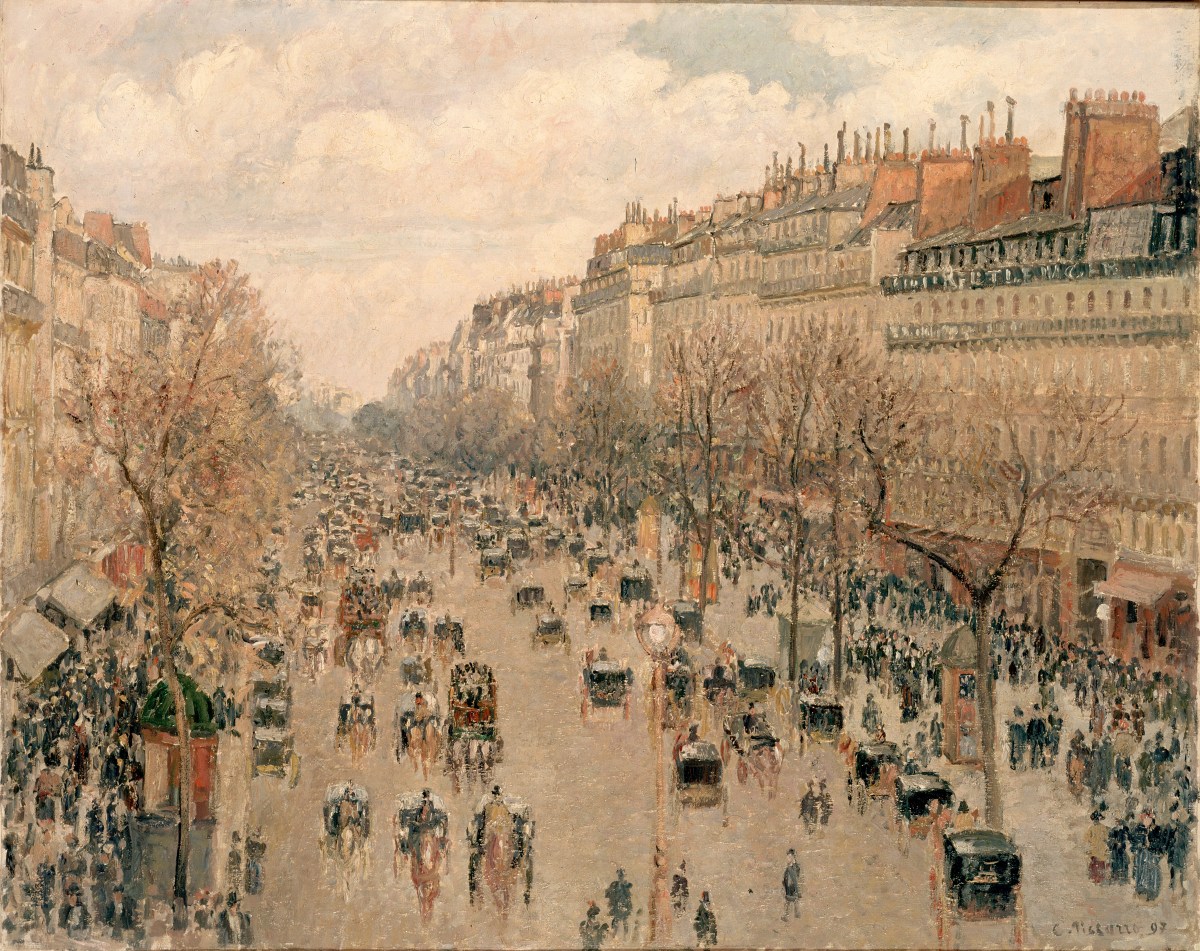
The Jackal is a compelling character. He goes about his preparations for the assassination with clinical efficiency, yet takes time to indulge in the finer things in life while he’s at it. Swanning across Europe, he can present outwardly as a respectable Englishman but beneath lies a potent combination of brutality and fastidiousness, making him the ideal candidate for an undertaking of this magnitude. In one chapter, we see him wandering between Parisian cafes to vet potential vantage points and shooting angles before stopping off for coffee and a croissant.

The Jackal’s controlled detachment comes through in Forsyth’s writing style. He completed the book in little over a month and used his experience as a foreign correspondent with Reuters to really hone the reporting style central to the narrative’s impact.
A slow build to a gripping finale, The Day of the Jackal is the quintessential political thriller.
Happy reading,
Imo x











 ImoReads