Blog Nº 24
“Sadness made for a better houseguest; at least it was quiet, reliable, consistent.”

I was given this 2020 Booker Prize winner for Christmas and it is quite unlike anything I have read before. Shuggie Bain is at once tragic, funny, harrowing and compassionate, forming a beautifully sad tale with lasting effect. It is a deeply moving account of poverty, addiction and childhood trauma in 1980s Glasgow.
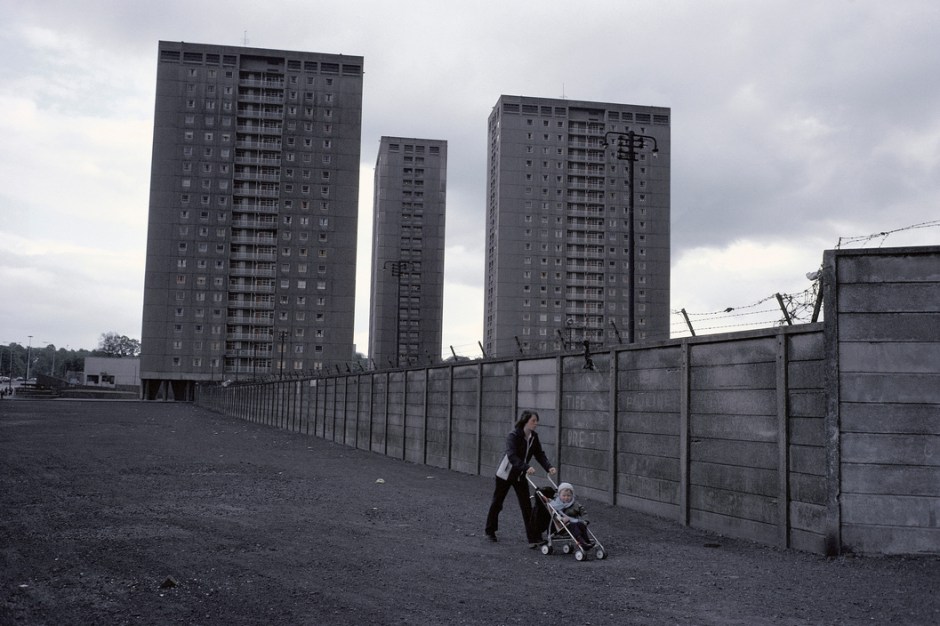
The novel is set in 80s and 90s Glasgow and centres on the young boy Hugh – or Shuggie – Bain. At the outset Shuggie and his older siblings Leek and Catherine live with their mother Agnes, father Big Shug and Agnes’ parents in a flat on the Sighthill Estate. Though it is obvious from the outset that the family do not have means, there is not yet a sense of despair in their situation. After the philandering Big Shug promises Agnes a fresh start in their own house everything begins to go wrong. Shug leaves Agnes and the kids in a mining town on the outskirts of Glasgow that has been decimated by Thatcherism, shattering Agnes’ dreams of a comfortable life bought and paid for. As she increasingly turns to alcohol for solace, each of her children try their hardest to save her. Yet, one by one as they get older, they leave Agnes behind to try and save themselves from a life of poverty and hardship. Shuggie holds out the longest, spurred on by unadulterated love for his mother and a youthfully innocent sense of hope. However, Shuggie has his own problems. Though he tries his hardest to fit in with the other boys his age, it becomes increasingly clear that he is ‘no right’, leaving him exposed to abuse and bullying. Agnes wants to be there for her son, but her addiction is slowly destroying her relationships with everyone around her, even Shuggie.
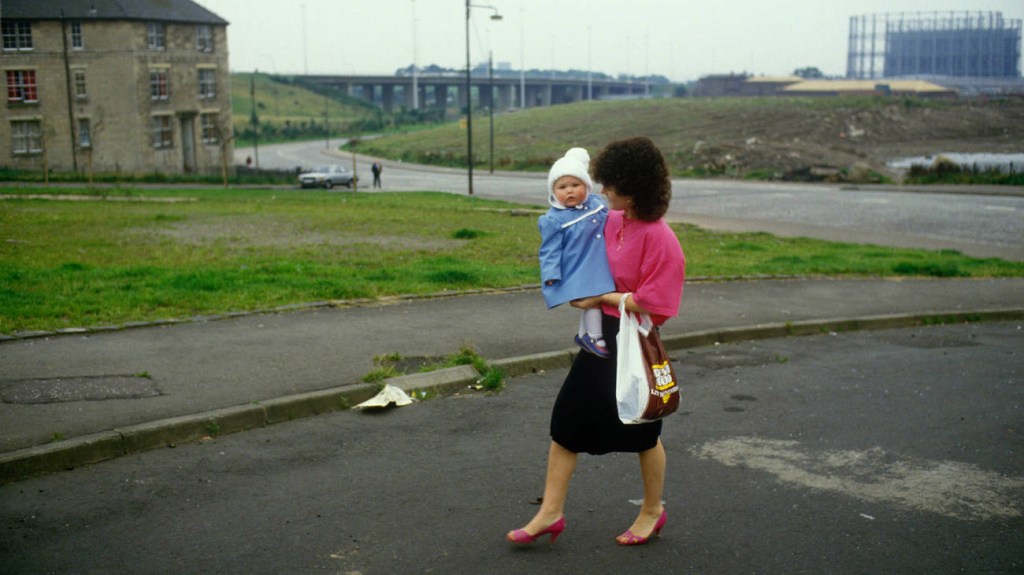
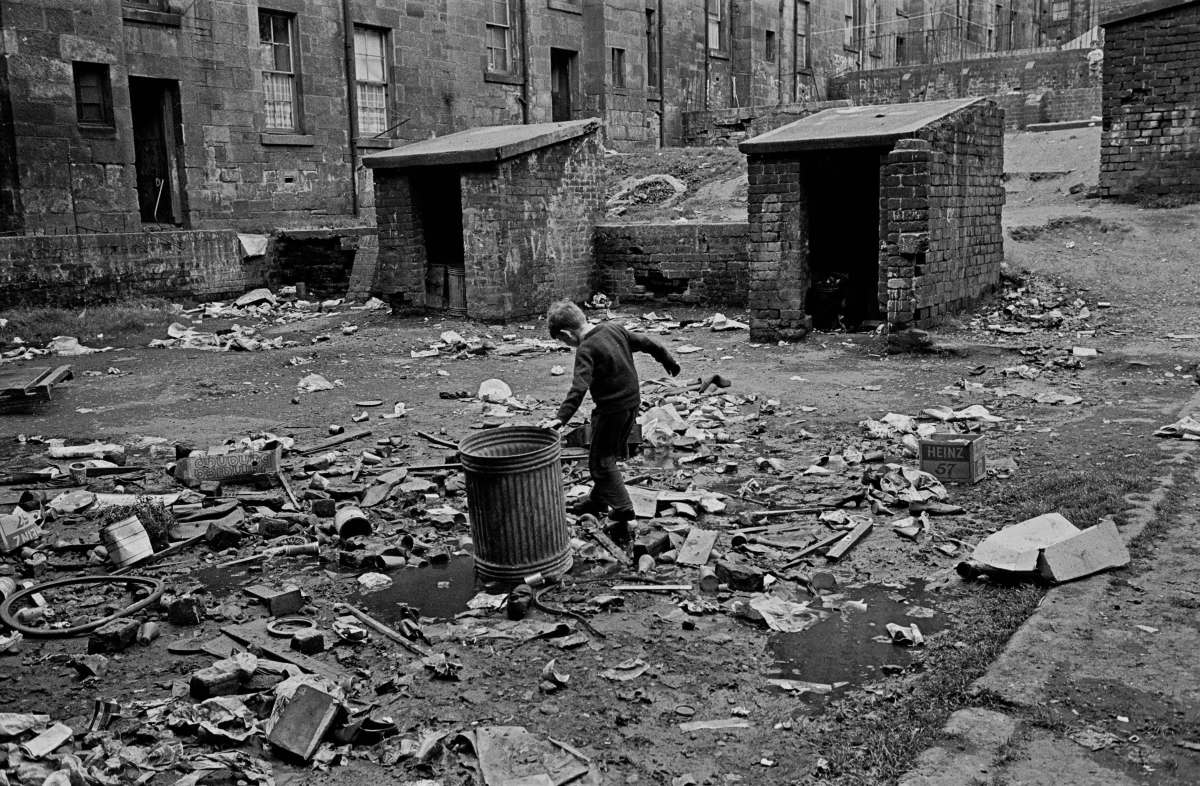
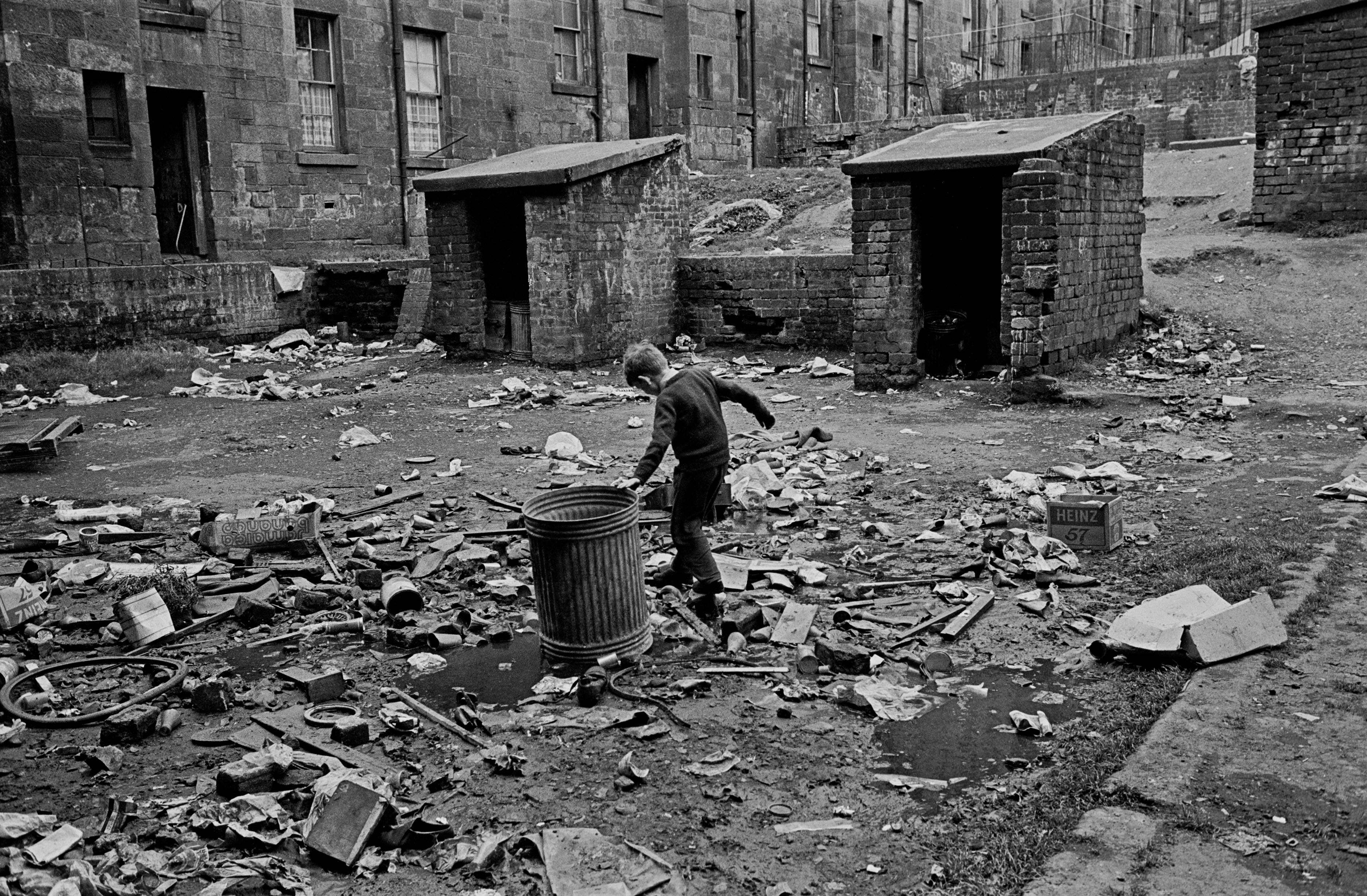
What is striking about this novel is how the ruthlessness of poverty is laid bare so forcefully. Stuart really captures the bleakness of life in Glasgow during this time. His descriptive passages of the mining town Pithead (likely based on Cardowan) particularly stand out. Small, squat, grey houses packed closely together with no privacy; the surroundings don’t get more scenic than slag heaps and overgrown wilderness. The men are lost without work in the mines. Stuart describes the women as having rings of dirt round their necks and the children as running amok with matted hair and unkempt clothing. The language is coarse, the future prospects are non-existent and the vice is drink. I was always filled with despair to read how Agnes and other adults in the town scrambled to buy drink with most of their weekly benefit money while their children looked on hungrily. It is hard not to feel sympathy for Agnes nonetheless – her alcoholism manifests itself in endless cans of Special Brew lager and bottles of vodka. Time and time again she is mistreated and abandoned by men, rejection which she often takes out on her children. Even as young as eight, Shuggie is dismayed whenever his mother picks up a drink, leaving him to courageously deal with the trauma of her drunken disappearances, suicide attempts and blind rages.
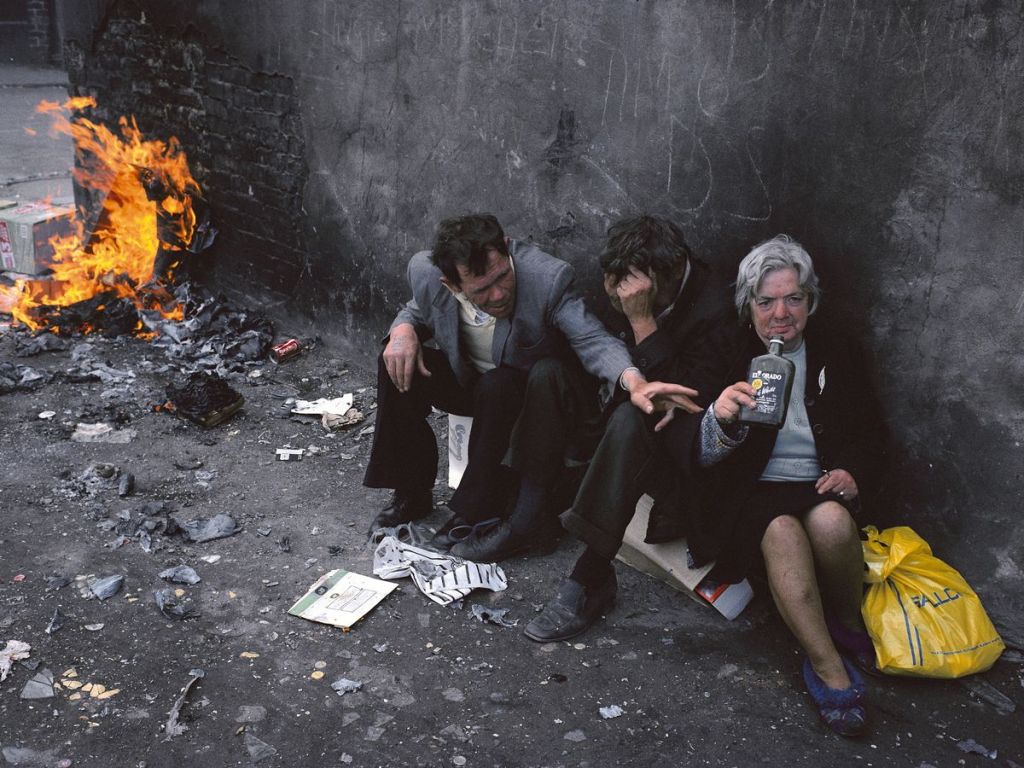
Shuggie Bain is Stuart’s debut novel and it is largely autobiographical. It is clear to the reader that Shuggie does not fit in with the other boys – though we know why, Shuggie just thinks he is ‘wrong’. Stuart has spoken about how difficult it was growing up in a housing scheme where there was a real stigma around being gay. The idea of being ‘out and proud’ did not fit into this hard, working-man’s world. Particularly in a world without internet, he could not easily find any solidarity with the wider gay community or comfort in his identity. Stuart’s struggles are heartbreakingly played out in Shuggie. Though Shuggie tries everything – changing his walk, pretending to like football, hiding the fact that he likes ‘girly’ toys – he is still a target for bullying. He is often beaten up, verbally abused or made to do unspeakable things by other boys at school or in the neighbourhood. It brings me joy to know that Stuart has found happiness and acceptance with his husband Michael Cary in New York City, where he has resided since 2000.
Stuart grew up without books or any formal education in literature making the calibre of his debut novel even more astounding. I am thankful that I have been exposed to such a heart-wrenching story of love, struggle and pride about an era and city that I know shamefully little about despite living in Scotland’s neighbouring country. I will close this blog with a powerful quote from Stuart, which sums up the essence of Shuggie’s Glasgow:
“I have a complicated relationship with my hometown—but there’s no place I love more. I hope “Shuggie Bain” is a love story to Glasgow, not a fawning love story but one that sees the city clearly. It’s very Scottish to be direct about difficult things, so there’s no point in pretending it wasn’t a hard place to live. The city is a place of contrasts; in all its devastation and deprivation, the people still remain strong and fiercely proud, and I know of no one who is warmer, kinder, and more blackly funny then Glaswegians.”
Happy reading,
Imo x
 ImoReads