Blog Nº 53
“From old habit, unconsciously he thanked God that he no longer believed in Him.”
As soon as I began reading Of Human Bondage, I knew I had found something special. Often cited as Maugham’s masterpiece, this semi autobiographical novel might be the most important English bildungsroman since David Copperfield. It’s a novel rich in culture and intellect as well as taking us through tortured relationships and intense self-criticism. For me, Of Human Bondage has achieved a place on the list of books that I wish I could read again for the first time.
The novel follows protagonist Philip Carey, an orphan raised by his clergyman uncle and kindly aunt. Like Maugham, Philip is afflicted with a clubfoot. As a boy, Philip is chafing under the monotony of Victorian vicarage life and is desperate for experience, love and a miracle cure for his deformity. We follow him through boarding school where he loses faith in God when there is no improvement to his foot. He then escapes to study in Heidelberg before enjoying a brief period in Paris trying to make it as an artist. On his return to London, Philip encounters Mildred the waitress for the first time, and here begins the masochistic affair which almost ruins him.

Maugham always maintained that Of Human Bondage is “not an autobiography, but an autobiographical novel”, though he certainly poured a lot of himself into the character of Philip, making him an authentic, interesting character to follow. He is hungry for love, sexual encounters and is at times filled with an acute self-loathing, all of which young people today could relate to on some level. Astonishingly, Maugham first wrote the manuscript aged just 23, though it was not published until later on. Of Human Bondage is bursting with real emotion though some of the events are imagined or borrowed from elsewhere. Some time later Maugham said of writing the novel, “I found myself free from the pains and unhappy recollections that had tormented me”. The title of the book, borrowed from Spinoza’s Ethics, has meaning both for the author and for the protagonist then. Philip finds himself bound and then freed in many contexts throughout the novel and as the reader you find yourself rooting for him at each turn.
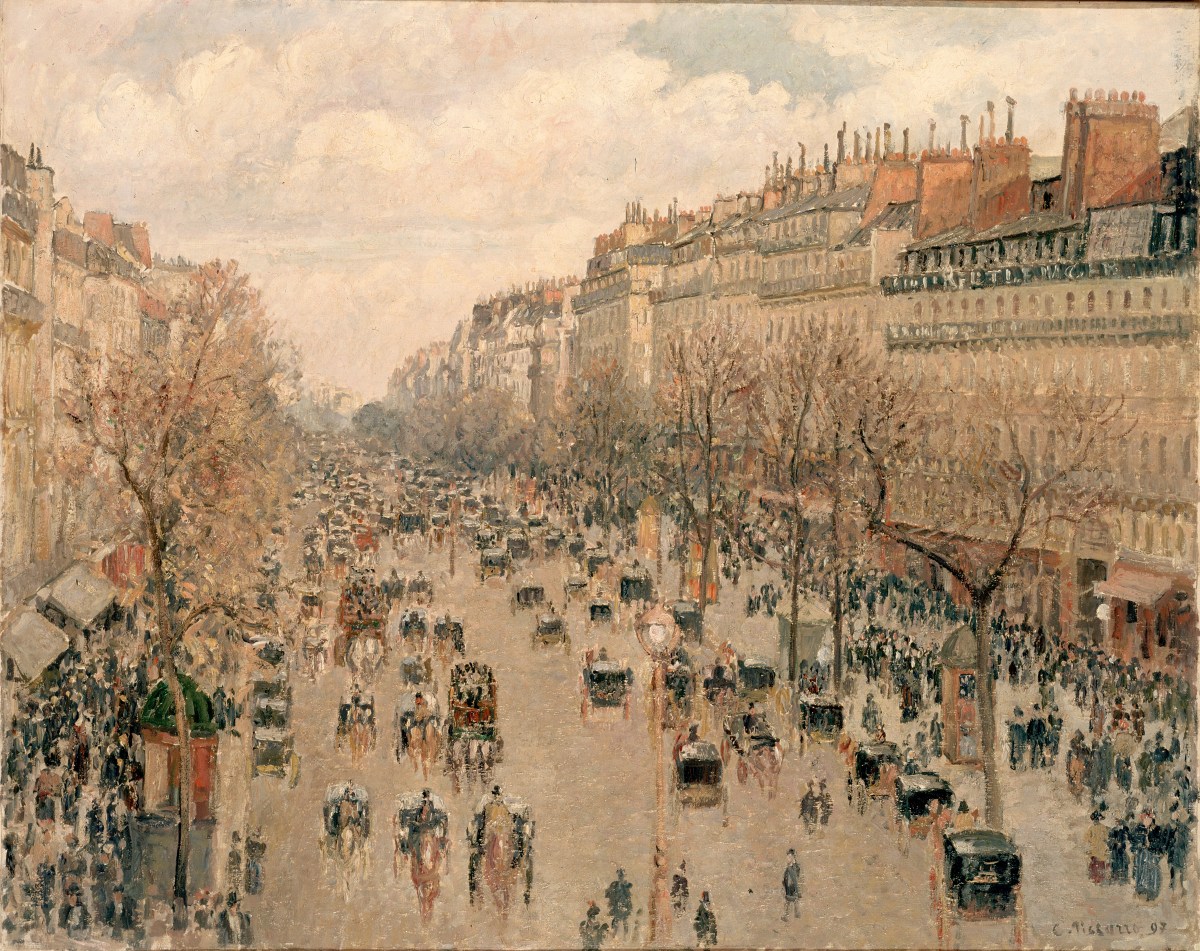
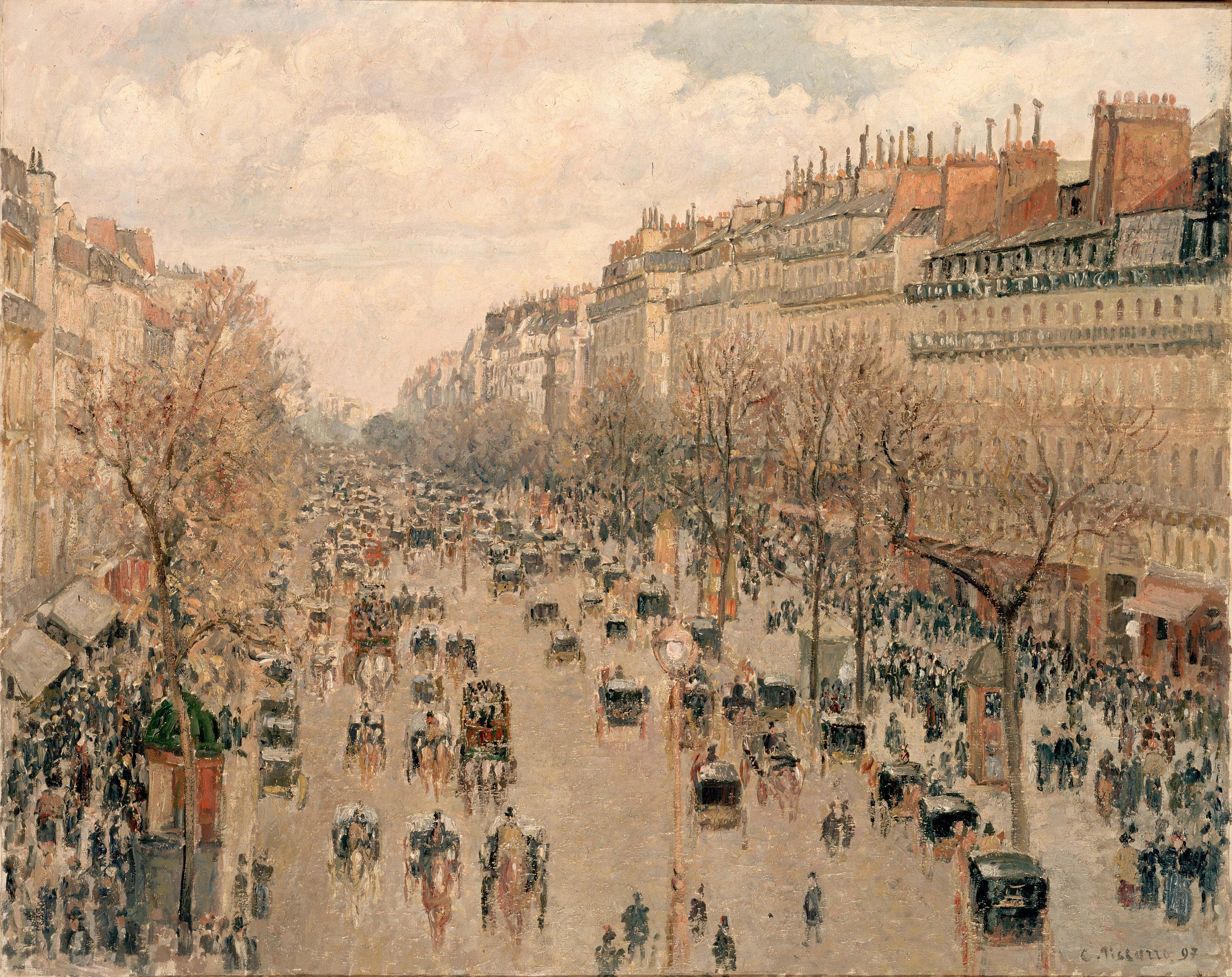
My favourite part of the novel is when Philip is living in Paris and attending art school. He is there during a vibrant period of French art, literature and culture and I enjoyed experiencing this vicariously through him. Though he doesn’t have much money, he and his group of friends engage in Parisian life as much as they can, have heated idealistic intellectual discussions and try their best with their artistic endeavours. Philip and his companions are just young people trying to make it in the world as best they can, with this astonishing backdrop of Paris at the turn of the century.

In fact, during the many strained episodes of the Philip and Mildred saga, I wished on Philip’s behalf that he had never left Paris. Given the sensitivities of the time at which the novel was written, the intimate details of the relationship are left off the pages of Of Human Bondage, but the tension, strife and mistreatment come through clearly enough through the pair’s other interactions. Mildred is an unextraordinary woman who manages to take advantage of Philip’s naiveté and desperation for love and acceptance. At many moments, the reader feels compelled to shake Philip to make him come to his senses. The amount of time, money and self-flagellating thoughts he wastes on the manipulative, ungrateful Mildred is painful to observe. Though it should be acknowledged, at several moments in the novel Philip describes Mildred in a way that is extremely misogynistic, making us question whether his lack of experience and understanding of women in general has led him to subconsciously hate them a little bit. Whether this is just Philip’s voice or Maugham’s voice remains to be seen. When Philip is free from Mildred for the last time, it is certainly a moment to rejoice.
I would absolutely recommend this novel to anyone interested in following one man’s story through it’s many interesting chapters – travel across Europe, experience growing pains and indulge in some art and culture.
Happy reading,
Imo x






















 ImoReads