“What is given may be taken away, at any time. Cruelty and devastation wait for you around corners, inside coffers, behind doors: they can leap out at you at any time, like a thief or brigand. The trick is never to let down your guard. Never think you are safe. Never take for granted that your children’s hearts beat, that they sup milk, that they draw breath, that they walk and speak and smile and argue and play. Never for a moment forget they may be gone, snatched from you, in the blink of an eye, borne away from you like thistledown.”
There is notoriously little known about the life of William Shakespeare, which seems strange given his immense fame and the lasting impact of his plays. Of his personal life we know that he married and had three children, Susanna and twins Hamnet and Judith. They lived in a house on Henley Street in Stratford-Upon-Avon with Shakespeare’s parents. Hamnet died at age 11 in 1596 according to a church burial register, and this is all we know. Maggie O’Farrell has used this absence of knowledge to create an extraordinary work of fiction, which in her own words, “is the result of my idle speculation.”
Hamnet is split into two stories, both of which are gripping and urgent in nature. One story begins on a summer’s day in 1596. Judith suddenly falls sick with what turns out to be the black death, or ‘the pestilence’, and Hamnet frantically looks for help but nobody is home. Nobody yet realises that one of these children will die within days. O’Farrell alternates to the second story every other chapter, which focuses on the mysterious upbringing of Agnes (Anne) Hathaway, and her blossoming romance with a young William Shakespeare, who breaks with tradition to be with this woman he loves (he is 18 and she is 26 when they marry). Both stories are intense and are filled with every kind of love and passion. They intertwine to create a tale that lays bare the unique bond to be found between twins and how the loss of a child can push a family and a marriage to the brink. Though Hamnet Shakespeare is a little-known figure, his name has been given to one of the most esteemed plays ever written (Hamnet and Hamlet were interchangeable names in this period). O’Farrell reimagines the life of Shakespeare’s only son in a way that makes you reconsider everything you thought you knew about England’s most celebrated playwright.
Though Hamnet is the title character, the storyline that captivated me the most was that of Agnes and William. Though courting in the 1500s, their secret romance and defiance of their parents feels very relatable to a modern audience. Agnes’ mysticism and connection with her pet Kestrel less so, but you can understand why young William Shakespeare finds her so beguiling. And, a marriage and three children later, they seem to have proven their critics wrong. I didn’t realise though that when William moves to London to pursue a career in the theatre, that he and Agnes end up in a long-term long-distance relationship. With a sometimes slow and unreliable postal service, it must have been very difficult in times of hardship. Indeed, when Judith is ill William takes several days to get home despite travelling as quickly as he can. We know from history that they remain married until William’s death, so I am glad at least that the tragedies and distance they faced did not break them apart.
The plague, despite being a common feature of sixteenth-century life (the London theatres would shut each year during ‘plague season’), is not mentioned in a single Shakespeare play. It is this notable absence that led O’Farrell to wonder whether it might have wreaked havoc in his personal life, so much so that he could not bear to write about it in his professional work. It is from this musing and extraordinary sense of intuition that O’Farrell’s novel was born. I have never seen or read Hamlet, but I think that now I would like to, to see whether I can understand why this seemingly unrelated play bears Hamnet’s name, and how it is perhaps an expression of grief for a lost son.
“A newspaper that wishes to make its fortune should never waste its columns and weary its readers by praising anything.”
Though not appreciated upon publication, from the mid-twentieth century The Way We Live Now has been considered one of the greatest works of fiction to come out of the Victorian period. It is Trollope’s great work of satire and its multiple plotlines are built on the circulation of rumours which makes for a gloriously scandalous read.
In truth, it is hard to give a short overview of The Way We Live Now because Trollope has expertly interweaved so many interconnecting storylines and characters into his 700+ page novel but I will try my best. It’s 1870s London and ‘the great financier’ Augustus Melmotte has just arrived from France with his wife and daughter, causing quite a stir. Though many London gentlemen immediately jump at the chance to pour their money into his various ventures, it soon becomes suspected that Mr Melmotte is nothing but a fraud. This suspicion simmers away throughout the novel before reaching boiling point at the end. He is the link between all the characters – Melmotte’s daughter Marie is in love with the selfish, financially irresponsible cad Sir Felix Carbury who, egged on by his mother Lady Carbury (whose career as a writer is less than profitable and who cannot support her son’s reckless gambling much longer), is trying to marry Marie for her presumed wealth. Carbury and several of his set, Adolphus ‘Dolly’ Longstaffe and Lord Nidderdale to name a couple, all join the board of directors on Melmotte’s venture, the South Pacific Mexican Railway, and are eager to buy shares in this endeavour despite its nebulous nature. The honest and decent young man Paul Montague becomes an unwilling member of the board when his money is invested into it by his business partners in Fisker, Montague & Montague. He and Felix’s sister Hetta Carbury fall in love, much to the dismay of her older cousin and respectable Squire, Roger Carbury, who is also in love with Hetta and the good friend of Paul Montague. Unfortunately for Paul, his ex-lover Mrs Hurtle has followed him back from San Francisco determined to get him back. These are just a few of the plotlines that run throughout The Way We Live Now – there are many more characters who all have interesting stories of their own.
Something that I found really interesting about this novel is how Trollope links ‘the pen and the fraud’ repeatedly in numerous guises. For example, Melmotte several times notes down acknowledgement of railway shares that don’t really exist on scraps of paper in exchange for money from hopeful young gentlemen. He also has no scruples whatsoever about forging whoever’s signature is necessary on official documents, allowing him to buy one of the Longstaffe properties without actually handing any money over, something the Longstaffes only cotton onto after the fact. Another instance is Felix Carbury who continues to gamble despite being utterly broke. In fact, he and all his set write each other IOUs upon a loss at cards, which in themselves become totally meaningless as nobody really has the money to back them up. Furthermore, Lady Carbury is so desperate to make a living from her writing that most of her historical work of fact Criminal Queens is completely false and unresearched but makes for more interesting reading. You’ll notice that all instances of written deception are linked to money in some way, another of the novel’s key themes. I think that Trollope is trying to demonstrate the ugly impact that the pursuit of wealth can have on people as it lays bare their biggest selfish impulses. It is also important to mention the prevalence of letters in The Way We Live Now, perhaps influenced by Trollope’s career in the Post Office. Like the above instances of fraud, letters are intrinsic to several storylines in terms of fuelling and circulating rumours and causing misunderstanding and upset among characters.
I have to admit that truly good characters are few and far between in Trollope’s novel, though this doesn’t make it any less brilliant. Any reader will of course root for the pure and clean romance between Hetta Carbury and Paul Montague, two of only a handful of upstanding characters, even though their relationship spells bad news for poor old Roger Carbury, another kind and honest soul. At the other end of the scale we have the utterly detestable Sir Felix Carbury, who has to be one of – if not the most – vain, selfish and careless characters I have come across in a work of literature. His persona makes for an interesting journey of twists, turns and scandals, and without giving too much away karma definitely comes back to bite him which is deliciously satisfying for the reader. My favourite character has to be Dolly Longstaffe – he really is very funny both in his manner and habits. Not many others would consider themselves as selfless and worthy of praise for ‘the nuisance’ of leaving London for one day to attend their own sister’s wedding back at the family’s country home. Nor would they consider it a great inconvenience to rise before midday on one day out of all the days to attend a morning meeting. Dolly is so unashamedly confident in his likes and dislikes, and highly witty in his discourse that any chapters featuring him were always my favourites. In all, Trollope’s wide range of character types make for an interesting and amusing commentary on London’s elite society.
If you like getting stuck in to a long and involving read then The Way We Live Now is definitely for you. It is at once witty, gripping, emotional and observant. Immerse yourself in the scandalous and selfish nature of a society that is rocked by the discovery of a fraudster in its midst, which portends consequences from everybody…
“The most extraordinary articles of domestic life are looked on with some interest, if they are brought to light after being long buried; and we feel a natural curiosity to know what was done and said by our forefathers, even though it may be nothing wiser or better than what we are daily doing or saying ourselves. Some of this generation may be little aware how many conveniences, now considered to be necessaries and matters of course, were unknown to their grandfathers and grandmothers.”
James Edward Austen-Leigh, ‘A Memoir of Jane Austen’ (1869)
It is already a well-established fact that I adore the British Regency period (1789-1830). To me it is the most interesting, colourful and important time in our country’s history. I dedicated much of the history side of my French & History degree to studying the period and also pursue this interest in my own time. If I could, I would use one of my three wishes to travel back in time to experience it for myself. Fortunately, The Time Traveller’s Guide to Regency Britain really is like stepping back in time. Mortimer calls it ‘A Handbook for Visitors to the Years 1789-1830’ on the opening page and it certainly lives up to this description. I am a social and cultural historian at heart, so it was brilliant to read a book solely dedicated to portraying this era as a lived experience rather than something to be studied. We find out what people wore, ate and drank, how they travelled, what they were thinking, believed in and were afraid of, what their world looked, sounded and felt like and much more. This book is an eye-opening, exciting and involving trip back in time.
Mortimer certainly covers all bases in The Time Traveller’s Guide to Regency Britain. The book is divided into the following sections: The Landscape; London; The People; Character; Practicalities; What to Wear; Travelling; Where to Stay; What to Eat, Drink & Smoke; Cleanliness, Health & Medicine, Law and Order; Entertainment. It also contains two glossy sections featuring paintings, illustrations, caricatures and prints from the time which really add to the feeling of visiting the Regency period. It would be impossible to discuss all the chapters in this blog, so I have selected a few personal highlights. Fundamentally though, this is an era where big things are happening all at once in the form of unprecedented social, political and economic change. It was the last time that Britons truly lived in a period of unchecked extravagance, fun, mischief and thrills before the stiff curtain of Victorian morality descended. The Regency is the age of Jane Austen and the Romantic poets, the art of John Constable, the trendsetting stylishness of Beau Brummel and the premiere of Beethoven’s Fifth Symphony. At the same time, Britain is celebrating military triumphs at Waterloo and dealing with the menacing threat of revolutions and tragedies like the Peterloo massacre. Never has there been a time of such wild contradiction in British history.
The Plumb-Pudding in Danger (1805) – James Gillray
Something charming about this book is Mortimer’s analysis of everyday concerns that are so banal you would never have thought to consider them when looking back at the past. Take, for example, the weather. As Mortimer points out very astutely, when delving into history it is easy to forget about the small but fascinating details when you are wrapped up in the big picture. It is heart-warming to know that Regency folk talked about the weather just as much as we do in the modern day, making it truly a subject that unites people in their Britishness. Something else you might not have considered is the time, given that time is standardised in the modern world. Though Regency people had perfectly functioning pendulum clocks, the actual hours in the day were heavily localised. Therefore, what might be 10:0am in London could be 10:20 in Leeds, meaning that scheduled meet ups were not always straightforward and travellers between towns would be in the habit of adjusting their watches accordingly on arrival with the town’s public clock. These are just a couple of points discussed in the ‘Practicalities’ chapter, and I think these sorts of topics are just as worthy of study as the big stories in history because they really shine a light on how people truly lived and what they experienced day-to-day.
In my degree I really enjoyed studying all things Regency: the Empire, the fashion, the royals, the rise of consumer culture, society norms, the Romantics and literature, the art, the humour, the architecture, social change, the politics and more. Therefore, it was great to see Mortimer bring these subjects to life in The Time Traveller’s Guide to Regency Britain. However, as you might have presumed, what I really enjoyed was finding out things I didn’t already know about the Regency period. For example, I found it interesting to learn just how blurry the boundaries between sexual morality and immorality were in this era, what attitudes were towards homosexuality and transvestitism, or how superstitious or cruel and compassionate people were, both in terms of other people and animals. People were still horrified by cruelties during this period but what was considered cruel differed greatly and again, there were contradictions. On the one hand, harsh punishment of felons and public hangings were still major entertainment for the public while on the other hand opposition to death penalty was growing and prison reforms were happening. It is interesting that at the same time, people (especially men) were much more expressive of their sensitivity. Though you can often find gentlemen duelling for their honour, there is no such thing as the strong silent type. Men are much more emotional – judges could cry in court when delivering a verdict and when MP Samuel Whitbread commits suicide in 1815, many members of the House of Commons who rise to pay their respects cannot hold back their tears. It is the original instance of there being ‘not a dry eye in the House.’
Aside from learning about the beginnings of the Industrial Revolution in the Regency and reading Mary Shelley’s Frankenstein (1831), I confess that I was not aware of how exciting this era was in terms of scientific developments. Frankenstein is of course based on the theory circulating at the time that electricity could bring people to life after Luigi Galvani’s famous experiment in which he stimulates the legs of dead frogs. Again, as electricity is the norm today, it is easy to forget how much it amazed Regency people. It was the first time that objects could be moved without touching them or that things could be lit up without a match, making it a mysterious and fantastical revelation. Electricity along with other developments such as the discovery of new planets, the phrases ‘chemistry’, ‘biology’ and ‘geology’ taking on greater meaning, the invention of the first steam locomotive and hot air balloons, and the exhibition of Joseph Nicéphore Niépce’s ‘heliographs’ (early photographs) in London, gave people a startling glimpse into the future. Suddenly, everything seemed possible and people imagined a future of endless innovation, which of course is now our past. I’m almost jealous that I have grown up taking these things for granted – I’m not sure that there’ll be an age of discovery quite like this ever again.
These are just a few examples from a book brimming with fascinating insights into how people thought and lived during the Regency period. I applaud Ian Mortimer on such a well-researched, original look into Britain’s most fascinating era. His captivating writing style and far-reaching chapter base really does make for an incredible trip back to the past. With The Time Traveller’s Guide to Regency Britain in hand I would feel more than confident navigating my way around this period and making the most of it. Regency people played an integral role in shaping who we are today in so many more ways than we realise, and this book is a triumph in showing us how. I really recommend this book to anyone looking to understand who we are and where our modern selves came from.
“Sadness made for a better houseguest; at least it was quiet, reliable, consistent.”
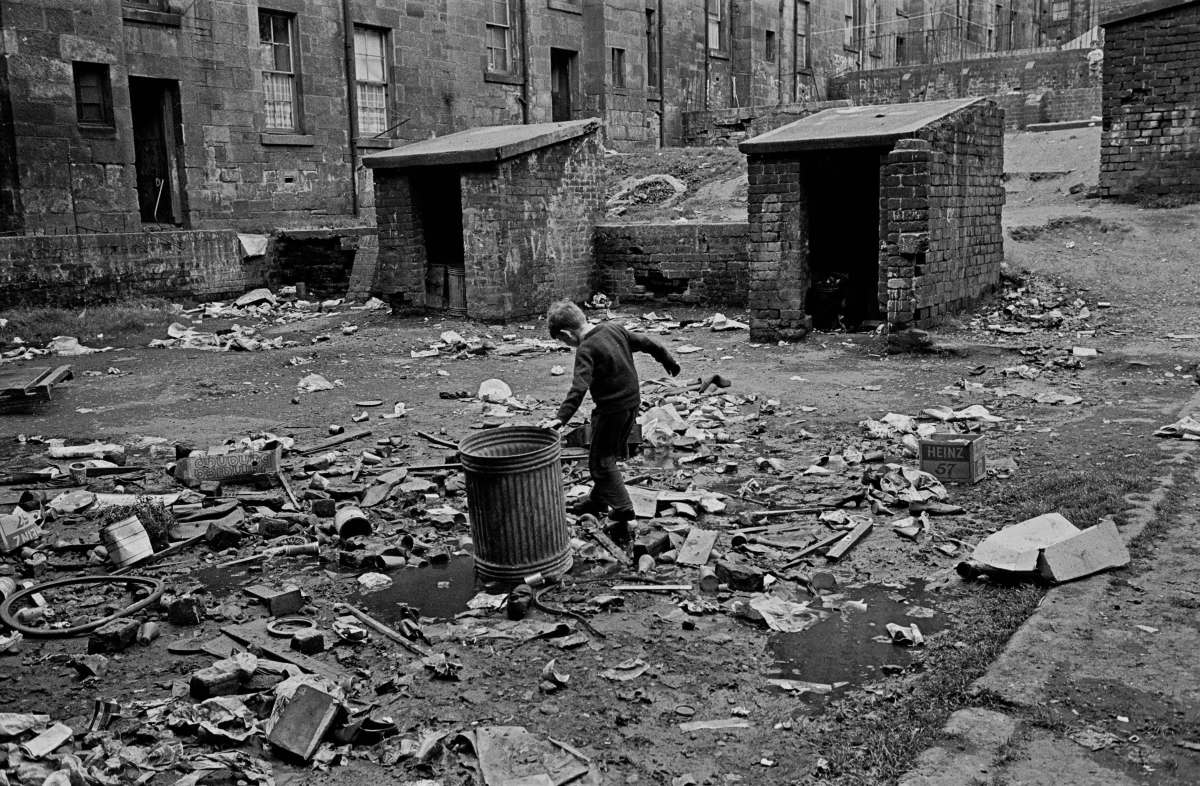
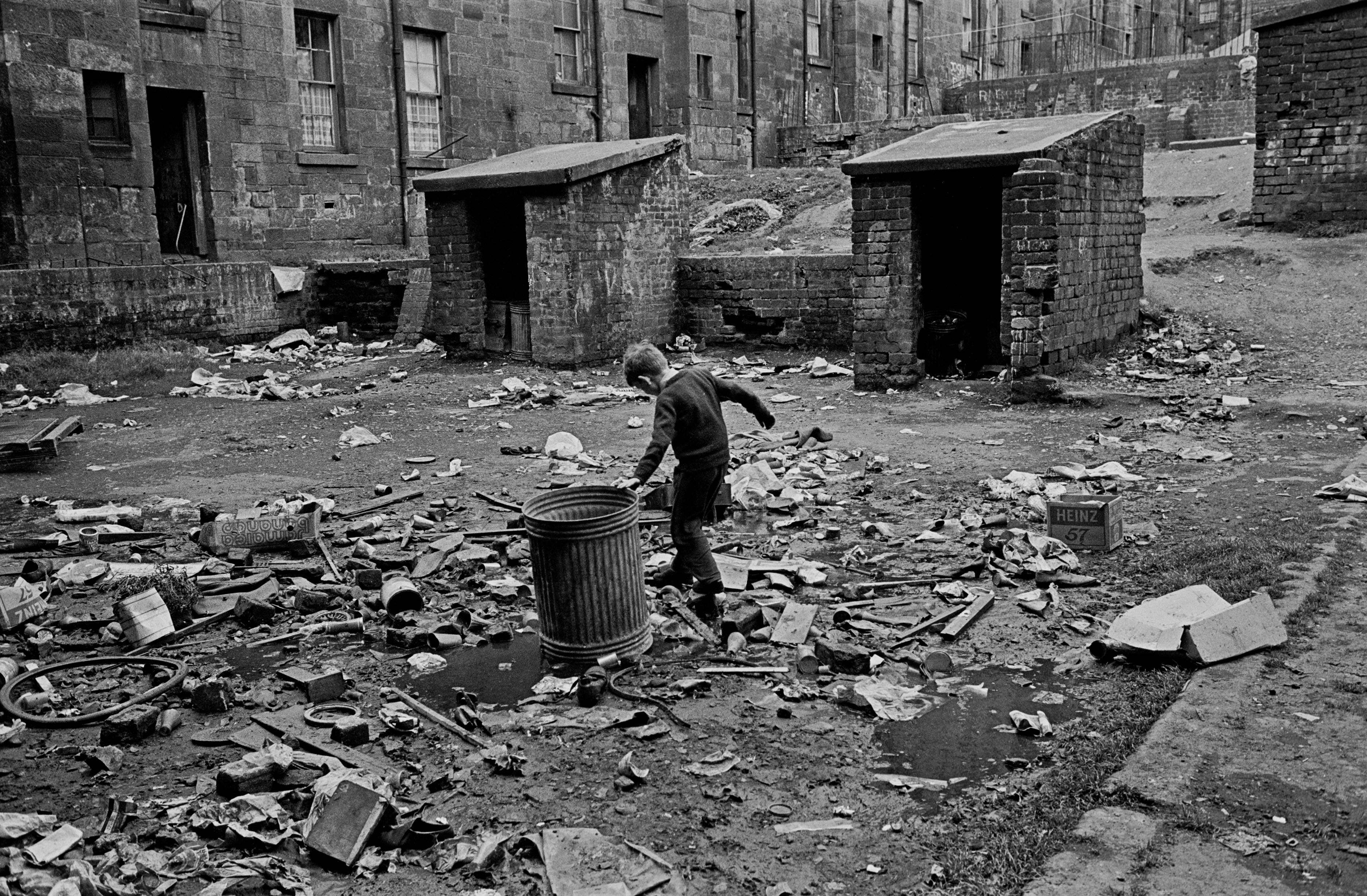
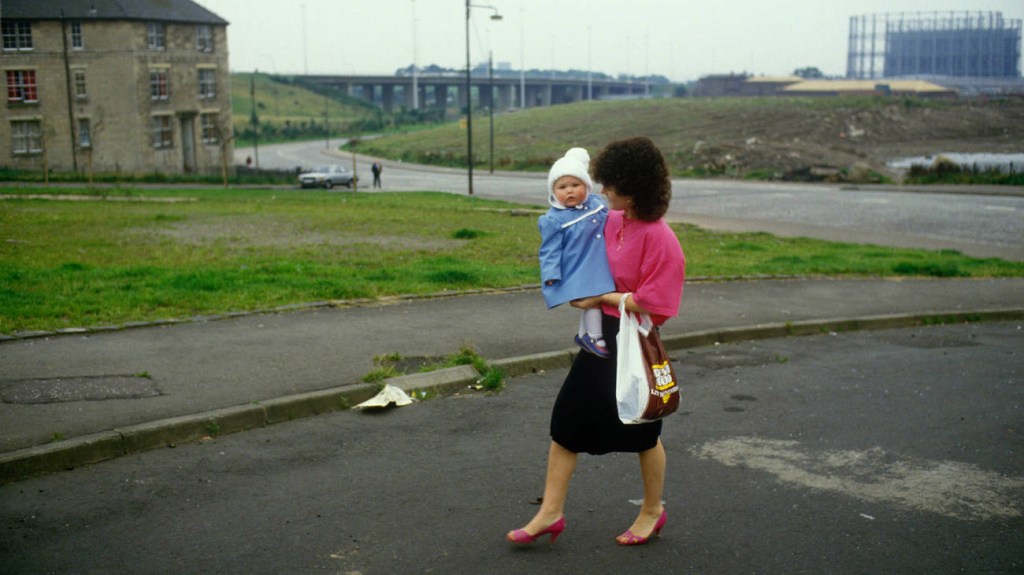
I was given this 2020 Booker Prize winner for Christmas and it is quite unlike anything I have read before. Shuggie Bain is at once tragic, funny, harrowing and compassionate, forming a beautifully sad tale with lasting effect. It is a deeply moving account of poverty, addiction and childhood trauma in 1980s Glasgow.
1980s Glasgow
The novel is set in 80s and 90s Glasgow and centres on the young boy Hugh – or Shuggie – Bain. At the outset Shuggie and his older siblings Leek and Catherine live with their mother Agnes, father Big Shug and Agnes’ parents in a flat on the Sighthill Estate. Though it is obvious from the outset that the family do not have means, there is not yet a sense of despair in their situation. After the philandering Big Shug promises Agnes a fresh start in their own house everything begins to go wrong. Shug leaves Agnes and the kids in a mining town on the outskirts of Glasgow that has been decimated by Thatcherism, shattering Agnes’ dreams of a comfortable life bought and paid for. As she increasingly turns to alcohol for solace, each of her children try their hardest to save her. Yet, one by one as they get older, they leave Agnes behind to try and save themselves from a life of poverty and hardship. Shuggie holds out the longest, spurred on by unadulterated love for his mother and a youthfully innocent sense of hope. However, Shuggie has his own problems. Though he tries his hardest to fit in with the other boys his age, it becomes increasingly clear that he is ‘no right’, leaving him exposed to abuse and bullying. Agnes wants to be there for her son, but her addiction is slowly destroying her relationships with everyone around her, even Shuggie.
Blackhill Estate, 1980s Glasgow
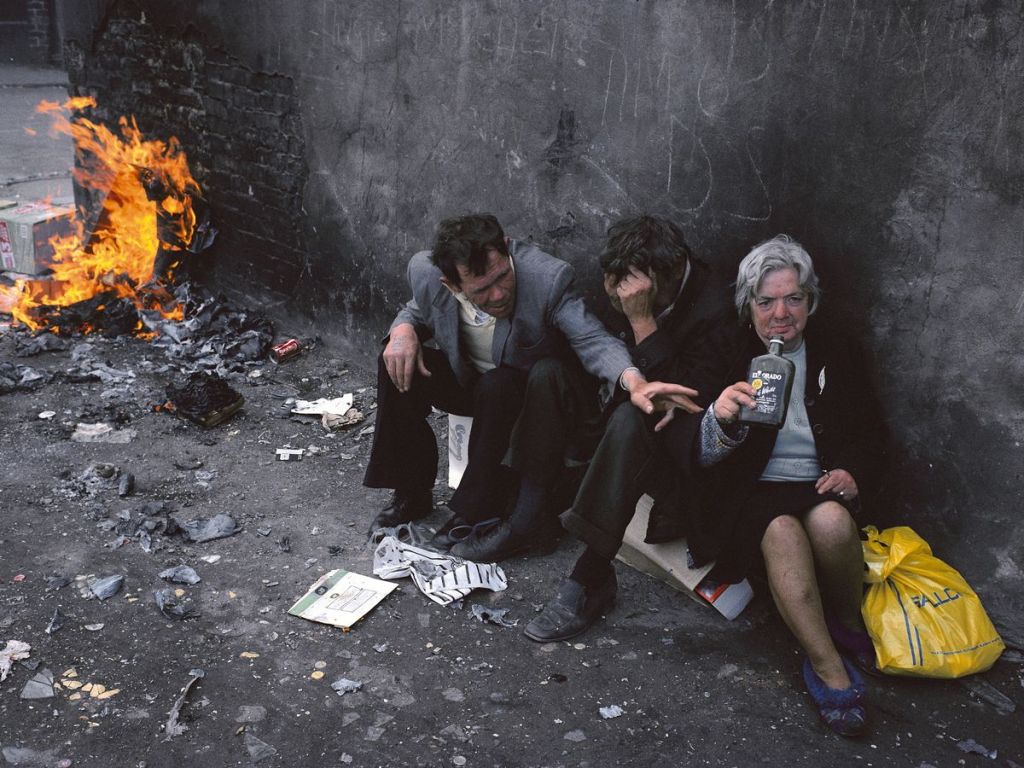
What is striking about this novel is how the ruthlessness of poverty is laid bare so forcefully. Stuart really captures the bleakness of life in Glasgow during this time. His descriptive passages of the mining town Pithead (likely based on Cardowan) particularly stand out. Small, squat, grey houses packed closely together with no privacy; the surroundings don’t get more scenic than slag heaps and overgrown wilderness. The men are lost without work in the mines. Stuart describes the women as having rings of dirt round their necks and the children as running amok with matted hair and unkempt clothing. The language is coarse, the future prospects are non-existent and the vice is drink. I was always filled with despair to read how Agnes and other adults in the town scrambled to buy drink with most of their weekly benefit money while their children looked on hungrily. It is hard not to feel sympathy for Agnes nonetheless – her alcoholism manifests itself in endless cans of Special Brew lager and bottles of vodka. Time and time again she is mistreated and abandoned by men, rejection which she often takes out on her children. Even as young as eight, Shuggie is dismayed whenever his mother picks up a drink, leaving him to courageously deal with the trauma of her drunken disappearances, suicide attempts and blind rages.
Slum in 1980s Glasgow
Shuggie Bain is Stuart’s debut novel and it is largely autobiographical. It is clear to the reader that Shuggie does not fit in with the other boys – though we know why, Shuggie just thinks he is ‘wrong’. Stuart has spoken about how difficult it was growing up in a housing scheme where there was a real stigma around being gay. The idea of being ‘out and proud’ did not fit into this hard, working-man’s world. Particularly in a world without internet, he could not easily find any solidarity with the wider gay community or comfort in his identity. Stuart’s struggles are heartbreakingly played out in Shuggie. Though Shuggie tries everything – changing his walk, pretending to like football, hiding the fact that he likes ‘girly’ toys – he is still a target for bullying. He is often beaten up, verbally abused or made to do unspeakable things by other boys at school or in the neighbourhood. It brings me joy to know that Stuart has found happiness and acceptance with his husband Michael Cary in New York City, where he has resided since 2000.
Stuart grew up without books or any formal education in literature making the calibre of his debut novel even more astounding. I am thankful that I have been exposed to such a heart-wrenching story of love, struggle and pride about an era and city that I know shamefully little about despite living in Scotland’s neighbouring country. I will close this blog with a powerful quote from Stuart, which sums up the essence of Shuggie’s Glasgow:
“I have a complicated relationship with my hometown—but there’s no place I love more. I hope “Shuggie Bain” is a love story to Glasgow, not a fawning love story but one that sees the city clearly. It’s very Scottish to be direct about difficult things, so there’s no point in pretending it wasn’t a hard place to live. The city is a place of contrasts; in all its devastation and deprivation, the people still remain strong and fiercely proud, and I know of no one who is warmer, kinder, and more blackly funny then Glaswegians.”
“The world is changing: I feel it in the water, I feel it in the earth, and I smell it in the air.”
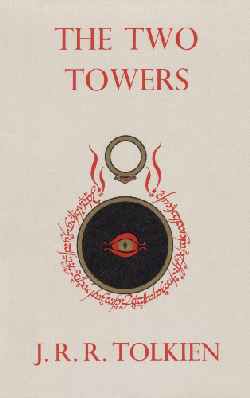
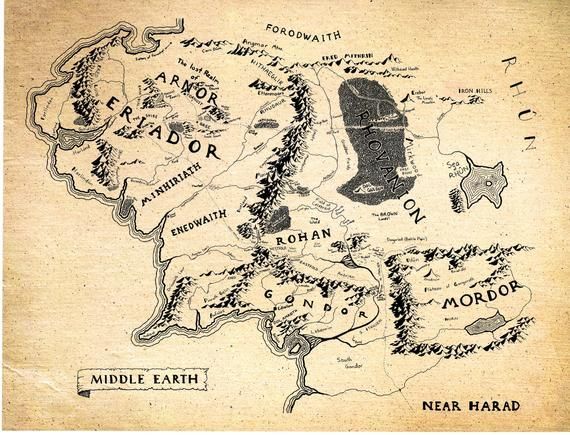
I have now completed my third foray into Middle-earth by continuing on with the next LOTR instalment, The Two Towers (TTT). This has to be my favourite so far; Tolkien’s storytelling reaches a new peak now that the Company has splintered. Sauron’s power is growing, and this is represented in the land becoming ever more menacing and treacherous. And yet, the burning hope of the fellowship cannot be dimmed, even when separated from one another. This tale captivates with even more mysterious and vast landscapes filled with strange people, all which bring us closer to the horror of Mordor where the One Ring must be destroyed.
TTT is split into two parts. The first deals with those in the company who Frodo and Sam left behind, namely Aragorn, Legolas and Gimli. Their first mission is to rescue Merry and Pippin who were taken by orcs at the Falls of Rauros. Along the way they encounter old friends and new allies, all intent on bringing the evil wizard Saruman to his knees. Lurking in Isengard, Saruman is in league with the dark lord Sauron, so the group knows that this victory will help Frodo and Sam from afar in the completion of their wretched quest.
In the second part, we return to Frodo and Sam who are continuing on to Mordor. A key player in this section is Gollum, who has been shadowing the pair of hobbits for miles and miles with the aim of reclaiming the Ring for himself. Through some clever manoeuvring from Frodo, Gollum remains unaware of the true nature of the mission and ends up being their guide to Mordor. He can never quite be trusted, making the long journey across such desolate lands even more uneasy. As the burden of the Ring weighs ever more heavily on Frodo, it is up to his trusty and loyal companion Sam to keep his master safe from the dangers looming on all fronts.
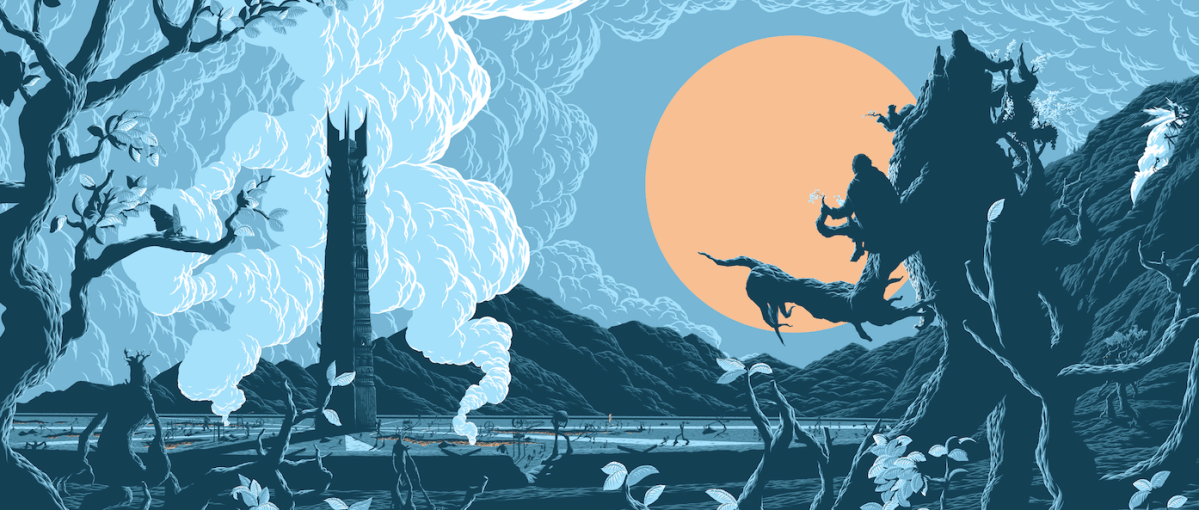
One particularly magical happening in TTT is the introduction of the Ents, who are without a doubt my favourite Middle-earth creatures. Guardians of the forests, Ents are an ancient race of tree-like beings, most likely inspired by longstanding folklore tales of talking trees. ‘Ent’ comes from the Old English word for giant, indicating that despite their ability to blend in with the forest, they are much larger than regular trees. Merry and Pippin are fortuitously rescued by Treebeard, the oldest of the Ents and indeed the oldest living thing in Middle-earth. Confirming what he already feared, Merry and Pippin inform Treebeard of Saruman’s orc army desecrating the forests to provide fuel for their war machine. This leads to a particularly wondrous event, an ‘Entmoot’. That is, a large meeting of the Ents – in this case to determine the best course of action against Saruman.
I like the Ents because they are patient, kindly, wise and methodical and because despite all this, you should never underestimate their strength or power in their duty as tree protectors. Treebeard and the other Ents successfully march on Isengard, entrapping Saruman in Orthanc Tower and simultaneously reuniting Merry and Pippin with Gandalf and the others. I have developed a serious soft spot for these magical trees with booming voices; the only sadness is that they have lost their ‘Entwives’ and are yet to discover their whereabouts. I like to think that they did eventually reunite.
Another standout section of the TTT comes in part two with Frodo and Sam. They are struggling to find their way to Mordor until Gollum offers to be their guide. The closer they get, the more bleak and menacing their surroundings become, indicating the cruel grip Sauron’s kingdom has over its neighbouring lands. As I have said previously, Tolkien is truly a master of language. Never have I been made to feel such dismay, hopelessness and distress from descriptive passages alone. One poignant chapter is ‘the passage of the marshes’, in which Gollum leads the two hobbits across the Dead Marshes to avoid being seen by orcs on the main path to Mordor. The way Tolkien describes the marshes makes it seem as though goodness and light have long forgotten this vast and sinister place. One foot wrong and the hobbits would flounder and sink, joining the ghosts of the many soldiers who were slain there long ago. Tolkien emphasises the foul stench of the marshes and the haunting floating lights that surround them on their difficult path across. There is no sound or sight of a single living thing in these marshes or overhead, making our three characters seem utterly and completely alone in this desolate and unwelcoming land. Immediately I thought that Tolkien must have been inspired by his time fighting in the trenches in World War Two to create this bleak and frightening landscape.
I also discovered that Tolkien’s time in the industrial Black Country of the English Midlands was an inspiration for Mordor and its surrounding lands. This is clear to see when comparing the explicitly evil, industrial land of Mordor, which has a cost of environmental decay and destruction, with the light, homely and nature-abundant Shire, which is more akin to some of England’s picturesque rural counties.
At the end of The Two Towers we are still unsure whether Frodo’s quest will ever be completed and what will become of all the members of the fellowship, and indeed of Middle-earth itself. TTT has been a thoroughly enjoyable, exciting and suspenseful read; I am anxious to get going on The Return of the King so I can see this long and treacherous journey come to an end, hopefully with the conclusion that goodness always prevails…
” Faithless is he that says farewell when the road darkens”
After finishing The Hobbit, I was more than happy to continue on my adventure through Middle-earth by delving straight into the first volume of the Lord of the Rings trilogy, The Fellowship of the Ring (TFOTR). I thoroughly enjoyed this novel as we start to see the consequences of Bilbo Baggins taking the One Ring from Gollum in The Hobbit playing out with ominous effect. More mature than The Hobbit, which Tolkien wrote for his children, TFOTR wrestles with themes of greed, power and violence as its heroes fight to keep the all-consuming darkness at bay. And yet the warming moments of humour, friendship and courage which often prevail against the gloom of evil keep the reader faithful in the power of good and fully ensconced in this exciting adventure.
Set 60 years after The Hobbit, TFOTR deals with the fallout of Bilbo’s innocent taking of a gold ring from the creature Gollum. We discover that years ago, the dark lord Sauron created a set of Rings to give to the rulers of Men, Elves and Dwarves. However, Sauron deceived them by secretly making another, the One Ring to rule them all. Lost and forgotten about, this is the extremely powerful and dangerous Ring that came to be in Bilbo’s possession, unbeknown to him. To stop Sauron regaining the Ring and therefore bringing Middle-earth into an era of evil and darkness, a great quest must take place to destroy the Ring in the place of its creation, the fires of Mount Doom in Mordor. This is a mighty challenge which is why a select few, ‘the fellowship of the ring’, are chosen for the task.
The nine members are: Frodo Baggins, his gardener Sam Gangee, the wizard Gandalf, the elf Legolas, the dwarf Gimli, the men Aragorn and Boromir, and the two young hobbits Merry Brandybuck and Pippin Took.
As had been proven by Bilbo, the corrupting influence of the Ring works much more slowly on hobbits as they are truly good creatures less easily swayed by greed and lust. This is why it is Frodo who bears the Ring while the others act as his guides and protectors. Met with much peril and evil along the way, the group also become firm and loyal friends. Although they encounter much danger and loss, their spirits are never fully dampened as they are often assisted by magical allies in their darkest hours.
I know I waxed lyrical about Tolkien’s use of language in The Hobbit, but it deserves a quick nod here as well. He manages to create a real sense of disquiet and ill-omen in his narrative which is as thrilling as it is alarming for the reader. Let’s take for example the Black Riders, faceless, evil beings – formerly the nine Men gifted with Rings but who have faded away under their influence to become Ringwraiths dominated under Sauron’s will. Seated astride ebony black horses, they plague Frodo and company throughout the novel trying to obtain the One Ring. Tolkien portrays them as menacing phantoms always close at hand but not always seen. The feeling of being watched seeps eerily through the chapters; so much so that the reader feels as anxious for the characters to get to somewhere safe as if it were they themselves being constantly chased.
As TFOTR went on I found myself growing fond of every member of the fellowship, but I have to say my favourite character is Legolas the Wood Elf. Not only a moral and brave character who forms an unlikely friendship with Gimli, he also (like all elves) can slay an enemy with a delicate yet ruthless grace. In fact, all his movements are silent, swift and elegant which is always admirable to the average awkward human. One of the most wondrous sections of the book is when the company takes refuge in the dreamlike Elven realm of Lothlórien, ruled over by the Lady Galadriel and her husband Lord Cereborn. Tolkien’s imagination knew no bounds in creating this extraordinary place where each elf captivates the company and the reader with their endless poise and refinement.
Yet alas it is soon after this moment that the fellowship encounters great difficulty and splinters, which is where the novel ends. Luckily, I won’t be left on this cliff hanger for long as volume two, The Two Towers, is already in my possession.
I’m glad to say that TFOTR is an extremely worthy successor to The Hobbit, and I look forward to continuing on with the saga of Middle-earth.
“It does not do to leave a live dragon out of your calculations, if you live near him”
Dedicated to: OJP
The Hobbit is a great example of a novel that caught me off guard in how much I actually really enjoyed it. Alas, I admit that before I was bought a beautiful set of all the novels in the Middle-earth saga and was convinced to read them, I had never felt compelled to enter into Tolkien’s world of magic and myth. I’m embarrassed to say that I’d pretty much written off the Lord of the Rings series as being ‘for boys’, but how wrong I was. In fact, The Hobbit is one of the best adventure novels I have read; Tolkien’s mastery of plot, language, humour and imagination is superb, and somehow it retains an element of something quintessentially English despite its setting in a fabled, faraway land.
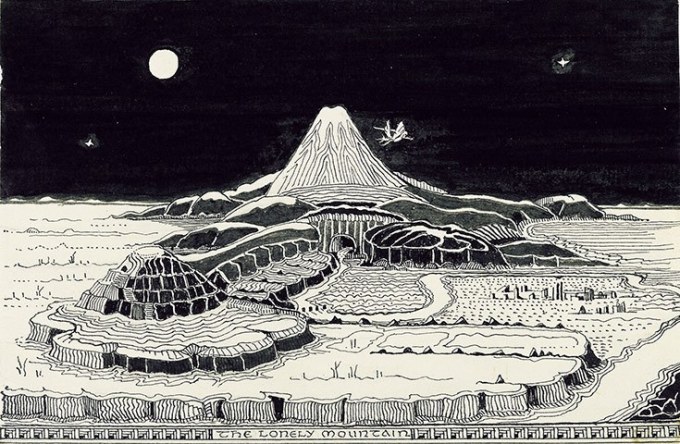
Although a relatively short novel, The Hobbit is rich in plot and detail. It tells the tale of an unassuming and unambitious hobbit named Bilbo Baggins, resident of Bag End in the Shire, who one day receives a visit from the wizard Gandalf the Grey and a company of dwarves led by Thorin Oakenshield. Quite suddenly, Bilbo is whisked away on an adventure to reach the faraway Lonely Mountain where resides the terrible dragon, Smaug the Magnificent, whose treasure they plan to raid in order to reclaim the dwarves’ homeland. Many trials and tribulations befall the company en route before the showdown with the dragon, and though at first Bilbo feels completely out of his depth, he soon surprises everyone (including himself) with his bravery, resourcefulness and strength in the face of peril.
I must dedicate a section purely to language here. Tolkien, aside from his world-famed career as an author, was recognised as one of the world’s leading philologists (philology: the branch of knowledge that deals with the structure, historical development, and relationships of a language or languages). His expertise comes through continually in The Hobbit, most obviously in Middle-earth character and place names, and his own creation of viable languages. Across all the Lord of the Rings books there are fifteen invented languages present, the most developed of which are the Elvish tongues. Amazingly, Tolkien started working on these while he was at school and continued refining their grammar and fictional history until his death in 1973.
However, on a more familiar level, I was captivated by Tolkien’s use of English. There is an urgency to his language that really allows the reader to feel the tension of various perilous situations along with the characters, whether they be trying to trick trolls or escape from the clutches of giant spiders in Mirkwood forest. The descriptive passages are phenomenal – particularly of the Elf stronghold Rivendell and of the Lonely Mountain itself – as a reader you become lost in these vibrantly imagined landscapes. And yet, not so lost that you miss the elements of quintessential ‘Englishness’ that permeate The Hobbit. I confess that I am always charmed by 1930s English diction so, even though the story is timeless, I can still appreciate the novel as completely of its era thanks to the diction (a particular highlight – Bilbo’s rather eloquent chat with Smaug the Magnificent amongst the treasure troves).
Amidst all the Middle-earth gallivanting, we should not omit the quiet country life of the Shire (a name which itself evokes a rural English county). Its humble, jolly folk who love a drink on occasion and its pleasant, familiar rural surroundings and lifestyle are not so far removed from the idealised English country life that has been the subject of many a non-fantasy novel across the centuries. I think Tolkien has imagined the Shire this way to help us bond with Bilbo, meaning we can be just amazed as him upon encountering all the elements of magic later on.
Tolkien initially wrote The Hobbit as a story for his children and despite its maturity (as all great children’s books possessed in the 19th& 20thcenturies), there are certainly some ‘children’s book’ elements that come through. Apart from the magical elements like dragons, elves, wizards, goblins and orcs facing off in a mythical land – which would likely have the earnest attention of most children – we must acknowledge the notion of ‘hobbits’ themselves. Kid-sized, friendly, human-esque creatures who love fireworks, food and adventures would certainly be relatable to children – this familiarity with hobbits would surely encourage children to imagine themselves in Bilbo’s shoes throughout the quest, making it even more exciting. I’m 23 and was fully enraptured!
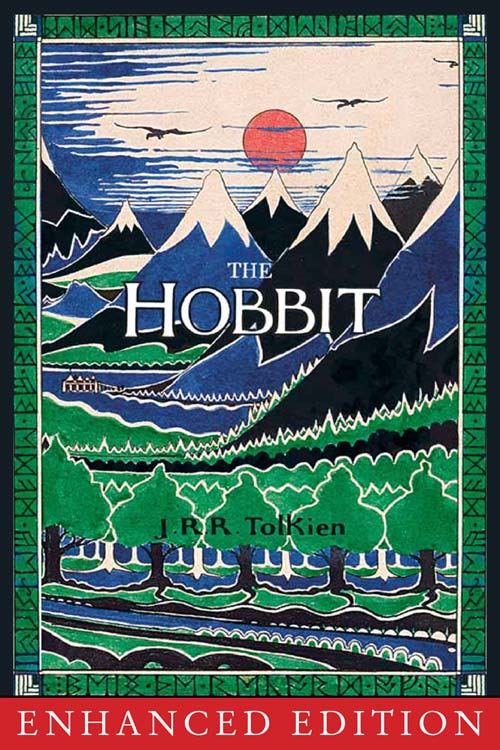
I’m so glad I have finally delved into Middle-earth to discover the delights of The Hobbit – from now on I’ll be making a more conscientious effort not to judge books by their covers so to speak. Next, The Fellowship of the Ring…
“And I couldn’t have kissed her, without wanting to save her.”
Matt Thorne from the Independent on Sunday calls Sarah Waters ‘one of the best storytellers alive today’ and after reading Fingersmith I can see why. Never have I been hit with so many incredible twists and turns in the same novel, making the story not at all what it seems at the start.
Waters’ story is set in 1860s Victorian England, opening with part 1 as told from the perspective of our ‘fingersmith’ (a talented thief or pickpocket) Susan Trinder. Sue is an orphan who has been raised in a ‘Fagin-like den of thieves’ in the Borough, London by her adoptive mother Mrs Sucksby. An associate of Mrs Sucksby, Richard ‘Gentleman’ Rivers (who is by no means a gentleman), hatches a plan to seduce a wealthy heiress named Maud Lilly, but he needs Sue to pose as her maid and gain her trust in order to persuade her to elope with Gentleman. He then plans to have the vulnerable Maud committed to a mental asylum and make off with her fortune. Persuaded by Mrs Sucksby and a share in Maud’s fortune, Sue agrees.
Upon Sue’s arrival at Briar, the imposing country house where Maud and her reclusive uncle reside, the reader will quickly realise that Maud is not a normal young woman. Summoned at specific times throughout the day to read aloud to her uncle and help him with his mysterious book indexing project, Maud’s entire existence is precisely structured with no room for deviation. Her behaviours and manners are bizarre and disquieting as a result of her extremely sheltered and restrictive upbringing.
Our first unexpected turn comes when Sue and Maud’s unlikely friendship turns into feelings of mutual physical attraction, which are brought to a head when Sue volunteers to ‘show’ the innocent Maud what may be expected of her on her wedding night to Gentleman. From here on out we begin to feel Sue’s agonising guilt about her continued involvement with the plot as she persists in persuading Maud to marry Gentleman despite her own feelings. I could feel myself getting more and more nervous along with Sue as the day of committing Maud to the mental asylum drew closer.
THIS was the moment when I had to take a breath and go over what I had just read – Maud and Gentleman sit coldly while the doctors drag a horrified Sue out of the carriage and into the asylum, closing the chapter with Sue’s chilling words, ‘That bitch knew everything. She had been in on it from the start.’
I mean ???
Waters is truly the queen of unexpected plot twists and suspense. From this point forward, the truth is slowly unravelled, first from Maud’s perspective in part 2 and back to Sue in part 3, allowing the reader to piece together how the lives of these two girls have been linked by an ominous fate since birth. But, we only discover things when Waters allows us to. Her mastery of language is such that it is impossible to guess what’s coming next, but as soon as you discover it, you wonder how you could’ve missed it.
What comes next is the unearthing of Maud’s sordid existence at the hands of her uncle’s erotic book fetish, and her discovery that she is the next victim of Gentleman’s deception. We have Sue’s daring escape from the asylum after months of hell and her fraught journey back to London to discover the truth.
As a reader, I felt myself becoming very agitated about the multiple ‘truths’ flying around and was anxious that Sue and Maud reunite so the actual (and again, shocking!) reality of the situation could be exposed.
And of course, these two young women were in love – despite obvious barriers of the time such as the perceived impropriety of same-sex relationships, especially between women, and the class divide between them – so I could not help but wonder what would become of their relationship.
I won’t reveal the biggest shocker of all about the intertwined destinies of the girls or whether they endure as a pair – this is for you to find out; Fingersmithis truly a fast-paced, surprising and vibrant novel that is impossible not to be drawn into.
“A wonderfully congenial group who live by a unique set of social standards. According to their rules, any sin is acceptable provided it is carried off in good taste.”
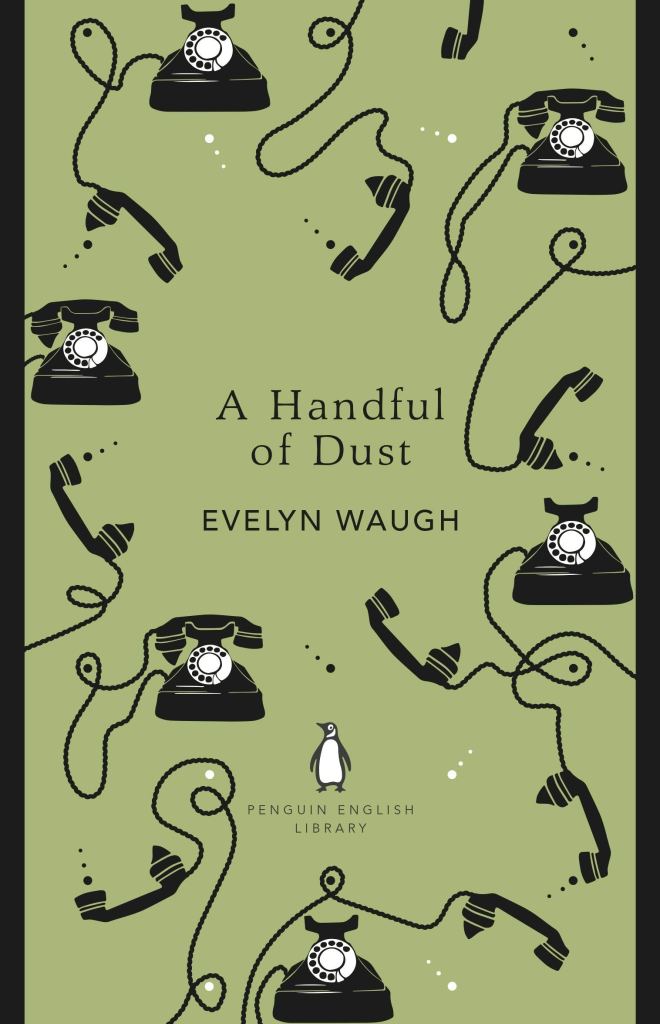
A Handful of Dust is the first book I have read by Evelyn Waugh, and it definitely won’t be the last. This novel is a bitingly funny snapshot of the perceived shallow and reckless nature of society circles in 1930s England. Waugh was a perceptive writer who often used experiences of those he met to humorous effect, so after reading this novel I can only wonder at the sort of people that he must have come across day to day. Lingering elements of Edwardian customs and norms are clear throughout, and it is always a joy to experience the eloquence of 1930s middle-class language.
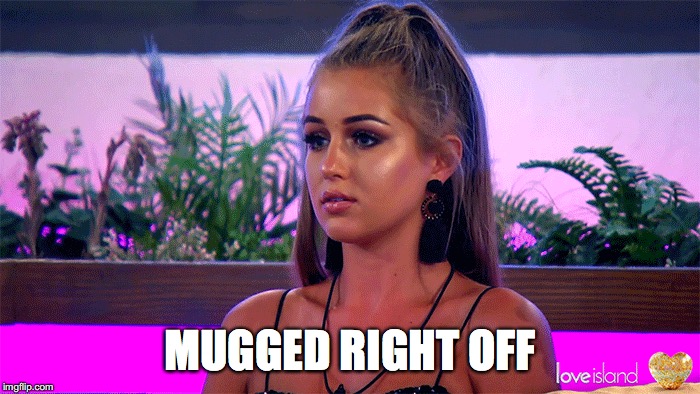
The story focuses on Tony Last and his wife Lady Brenda, who reside in Tony’s pride and joy, the gothic monstrosity that is Hetton Abbey, out in the countryside. They have a young son named John Andrew. So wrapped up in living the life of a country Squire, Tony is oblivious to his wife’s boredom, so much so that he happily lets her “mug him off” by carrying on with an exceedingly shallow, dull young socialite named John Beaver in London – an aimless affair that everyone seems to know about except Tony. From here on out we witness the slow disintegration of their marriage, which reveals the superficial nature of all their friends, their wants, their attitudes and society in general.
This may sound somewhat depressing, but Waugh has interweaved subtle and not-so-subtle elements of wry, cynical humour throughout the text and this creates a satisfying level of dramatic irony for the reader. That is, we can see how shallow everything and everyone is, but the characters themselves are completely oblivious to their own superficiality.
One example of Waugh’s humour is the names of certain characters. For example, one of Brenda’s friends is modestly named ‘Lady Cockpurse’. This makes the following exchange between Tony and his son John Andrew distinctly more amusing:
“Daddy, what does Lady Cockpurse eat?”
“Oh, nuts and things”
“Nuts and what things?”
“Oh, different kinds of nuts.”
I think Waugh has bestowed Tony and Brenda with the surname Last as they both end up rather unfortunate (finishing last if you will) by the end of the novel. Although Tony was perhaps not the most attentive husband, I found him to be a pretty harmless character. Brenda on the other hand I found to be extremely shallow, cruel and careless. However, when their son dies in a riding accident and both of them are fundamentally indifferent, their true apathetic, insincere natures are exposed.
Perhaps as karma for this, Waugh is not kind to either of them in the end. Although it is Brenda who brings down their marriage through infidelity, she is still ballsy enough to ask for an extortionate allowance per year from Tony as a condition of divorce. It is therefore extremely satisfying when he refuses her this privilege. Unsurprisingly, John Beaver loses interest in marrying or even having anything to do with Brenda when the prospect of wealth dries out, so he swans off to America leaving Brenda somewhat destitute and reliant on the “benevolent nature” of her circle of friends.
Tony on the other hand sets out on an ill-fated exploration mission to Brazil with the incompetent Dr Messinger. Abandoned by their guides in the middle of the rainforest, Tony falls ill and Dr Messinger comes to an untimely end at the hands of a waterfall. Waugh gives us some hope for Tony when he is found and nursed back to health by British Guianan gone rogue Mr Todd, but the atmosphere quickly becomes menacing when Tony is not allowed to leave and is condemned to read the complete collection of Dickens to the illiterate Mr Todd indefinitely. Presumed dead, Hetton is handed over to Tony’s cousins (known as the ‘impoverished Lasts’), and Brenda marries Tony’s friend Jock Grant-Menzies.
I am dissatisfied with this ending as I think Brenda should have received a worse fate than Tony, however I think it demonstrates Waugh’s move from bitter humour to disillusioned realism after the death of John Andrew. As Waugh muses himself in his letters, the theme of A Handful of Dust is a Gothic man in the hands of savages – first Brenda and the others in society, and then the real ones out in Brazil. Therefore, this is the only way the novel could have ended to see this theme through.
This novel is absolutely worth the read for the level of sheer disbelief you will feel when experiencing the indifference and superficiality of Waugh’s characters, as well as for its sardonic humour. One thing that’s certain is that you will come away feeling thankful that you are not Brenda or Tony Last.
“Everybody knows that England is the world of betting men, who are of a higher class than mere gamblers; to bet is in the English temperament”
Hooray, I’m back in the rollicking world of Victorian adventure thanks to Jules Verne’s Around the World in Eighty Days (1873). My parents bought me a lovely edition for Christmas and it took me all of a week to devour it and see if it was in fact possible to pull off such a feat.
Of course, this book was originally written in French (and perhaps I should have read it comme ça) but I thought the English translation worked really well, in part because London is the home setting and the main character is an English gentleman, Phileas Fogg.
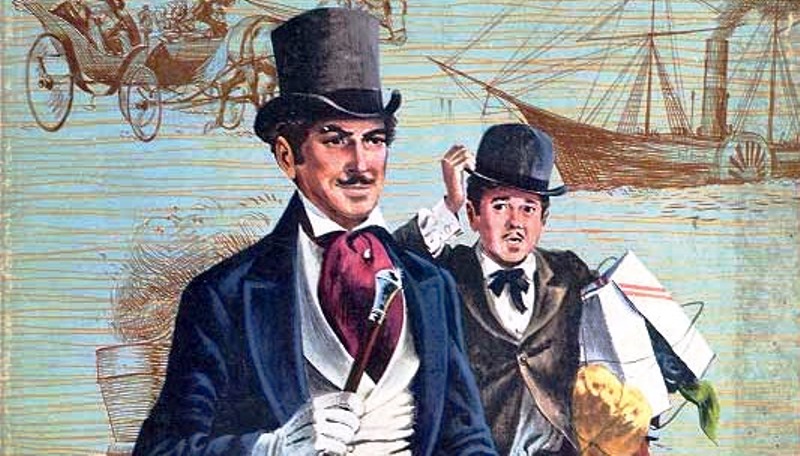
Whose idea was it to take on this crazy trip I hear you cry, which brings me to the premise of the story. Our protagonist Mr Fogg has just taken on a new servant, a Frenchman named Passepartout (meaning ‘goes everywhere’ – oh the irony) who is looking for a quiet, easy life with little to do after a career in the circus. Luckily for Passepartout Mr Fogg is a very meticulous gentleman who schedules every minute of his life to a T, going nowhere else but between his house on Savile Row and the Reform Club. He takes lunch and dinner at the club and spends an awful lot of time playing a card game called Whist. This creature of habit is not someone you would suspect of undertaking a journey so foreign and full of unforeseen risk.
And yet, it transpires that after a conversation with some fellow club members, Mr Fogg has calmly bet £20,000 (half of all the money to his name no less!) that he can indeed travel around the world in 80 days, starting from that very moment. Much to the glee of the gentlemen and the dismay of Passepartout, the adventure had begun.
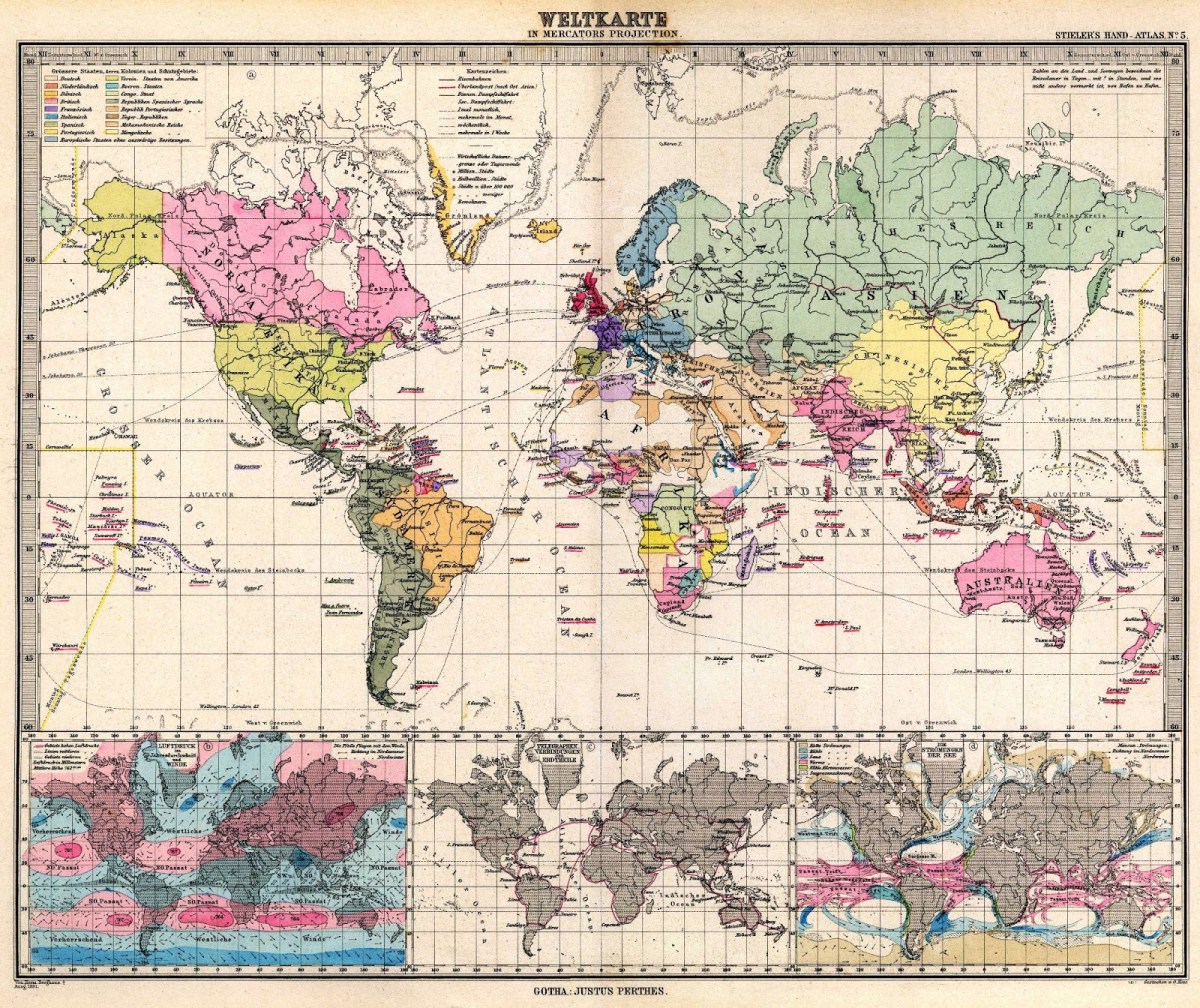
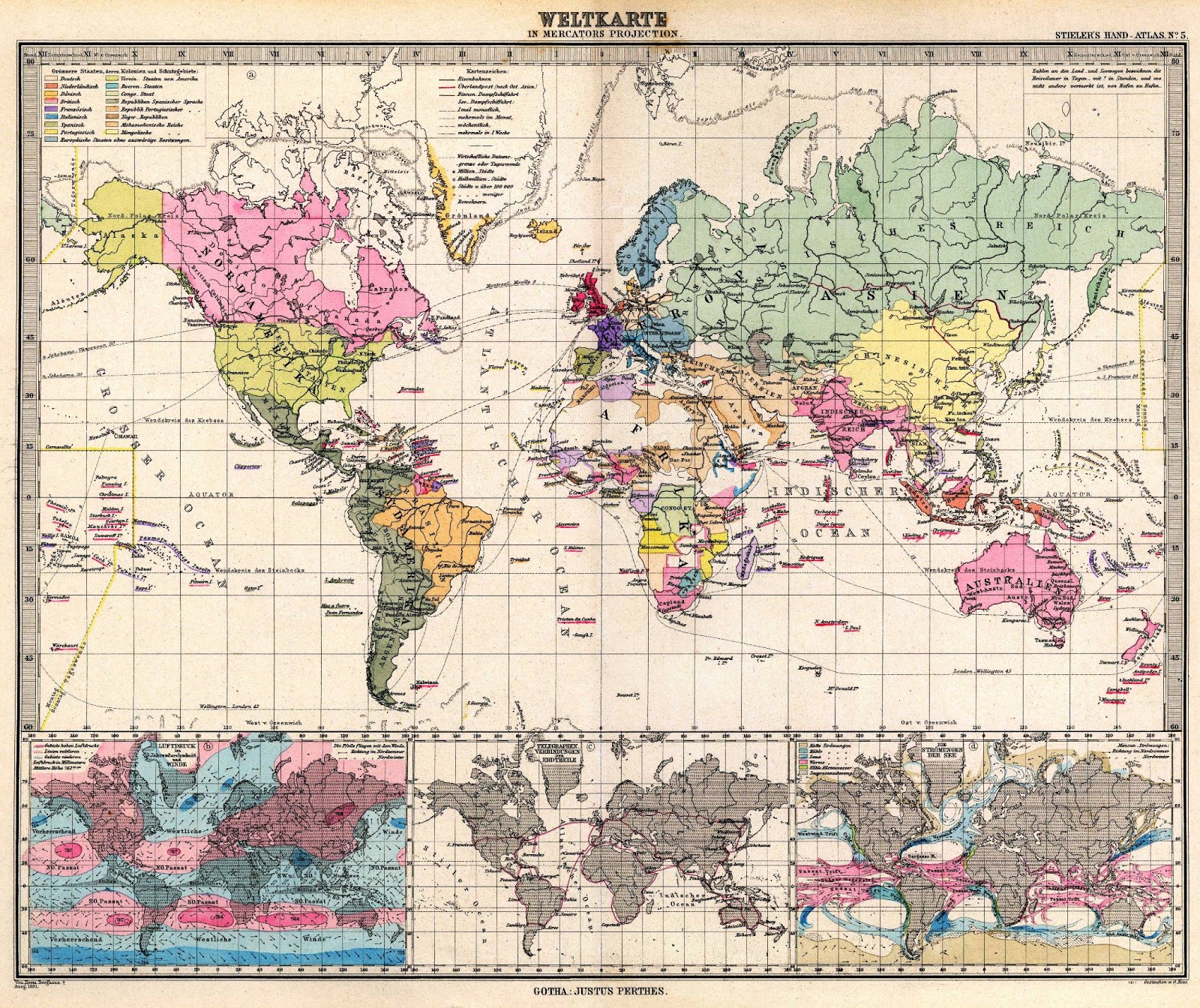
What follows is a rich and exciting journey around the world using every mode of transport available – including an elephant and a sledge. The nineteenth-century world, particularly the British or ex-British colonies is of particular historical interest to me, so I especially enjoyed being able to traverse through the likes of India, Singapore and America with the characters. Not that Mr Fogg shows any interest in anywhere for the duration of the trip, much to the astonishment of Passepartout and me the reader, however this does add a consistent element of humour to the novel. Indeed, this imperturbably cool-headed gentleman is quite remarkable, and his inexplicably calm nature comes in very useful in the many crises faced en route. He is the antidote to the chaos of Passepartout, who always seems to be getting himself into scrapes.
Towards the end of the voyage, Mr Fogg has got himself quite the motley crew of fellow travellers who have become as invested in this bet as if it were their own, including the conniving police inspector Mr Fix. Together they face a multitude of exciting incidents and mishaps, not least fighting off an attack by a tribe of Sioux native Americans in the middle of a train journey.
Verne’s novel is not only thrilling but witty. Even in English, all his wry comments on the nature of colonialism, stock markets, and Mr Fogg himself for example make for a drily amusing and engaging read alongside all the adventure.
The question now on your mind is probably – but did Mr Fogg and the gang manage to do it? That one I will leave up to you to find out in what is quite frankly a nail-biting and unexpected ending.






















 ImoReads