Blog Nº 44
“The English are polite by telling lies. The Americans are polite by telling the truth.”
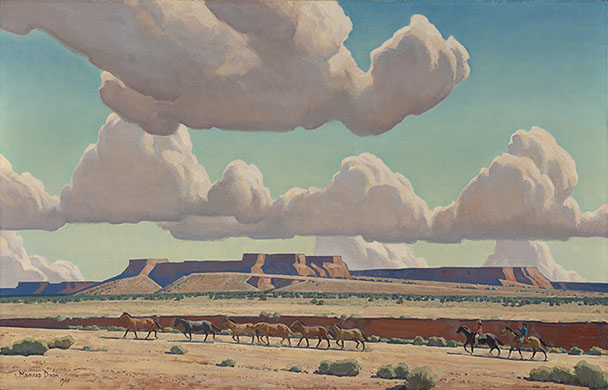
I am fortunate to be able to work in the world of books, and one day when a publisher had spare books to give away during a warehouse relocation, my colleagues and I were able to take home our choice for free. I was lucky enough to spot Stepping Westward; the title and cover art by Stephen Martin piqued my interest. I instantly liked this novel – Bradbury is known for his satirical wit and it shines through in this amusing and observant campus story.
Stepping Westward opens in Nottingham in the 60s. James Walker is a liberal author with three ‘promising’ novels to his name and lives with his wife and daughter. A little overweight, lacking drive and commitment and socially inadequate, Walker is a man mildly irritated with his drab life. Then one day he is invited to Benedict Arnold University in America’s Midwest as its Creative Writing Fellow for the year. We follow Walker on his journey to America, the people he meets en route and through his first term in post, all while determining whether he is quite up to the role he has been asked to fill. Stepping Westward is a comic, shrewd observation of a clash of cultures and mocks both British and American ideals as the story unfolds.

Bradbury has created a sharply funny novel. Throughout Stepping Westward Walker’s ‘Britishness’ is caricatured, whether it be discomfort at displaying or interpreting emotions, wearing the wrong suit, getting a cold or failing to acclimatise to the weather. ‘Americanness’ is also not let off the hook. The university is located n the fictional town of Party. There is no alcohol sold in Party even though everybody drinks and the university is still in the grip of McCarthyism and staunch loyalty to America. The push pull between 50s reservation and 60s modernism is apparent in the different staff factions, and this is exacerbated when Walker refuses to sign the university’s loyalty oath by dint of his Britishness. Both Walker and the American professors who hired him had different visions of what the experience of Walker being the Creative Writing Fellow would be like and this sets up an engaging and knowing story about social interaction, academia and cultural differences.

I would highly recommend this book to anyone interested in witty, astute social and cultural observation, in a novel that is still relevant today.
Happy reading,
Imo x
 ImoReads