Blog Nº 40
“The past is a foreign country; they do things differently there.”
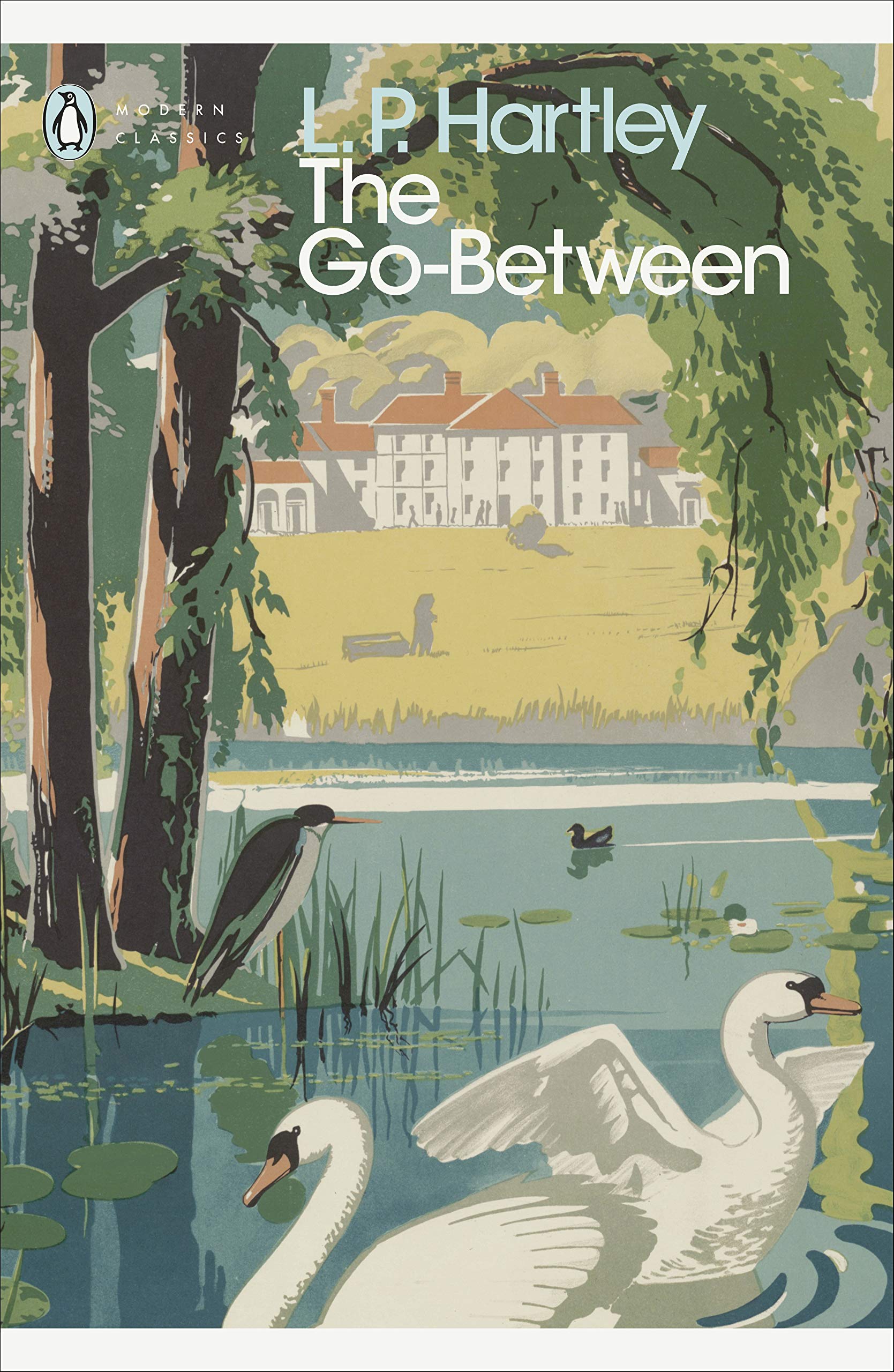
I find the late Victorian/early Edwardian period historically fascinating, so I am always keen to read books set during this era. The Go-Between is Hartley’s best known work and it certainly lives up to its reputation as a haunting story about lost innocence and a lucid critique of the society in which it takes place.
The novel is narrated by protagonist Leo Colston. The story is framed by adult Leo looking back on ‘the incident’ that happened during the long hot summer of 1900, after he finds a diary that he wrote at the time when he was almost 13. Older Leo had blocked out what happened but delving back into this diary forces him to piece it back together.
During the summer holidays, Leo is invited by his schoolfriend Marcus Maudsley to come and stay for several weeks at his home in Norfolk, Brandham Hall. Leo is from an unpolished middle-class background while the Maudsleys are of the wealthy upper-class. Whilst there, Leo becomes completely enamoured with Marcus’ older sister Marian. It is a crush that Leo cannot fully understand because he is still young enough that sexual attraction does not occur to him. Capitalising on Leo’s infatuation when Marcus falls ill and is kept in bed, Marian enlists Leo as a secret messenger to send letters between herself and tenant farmer Ted Burgess, with whom she is in a clandestine relationship. Marian is also due to become engaged to Viscount Hugh Trimingham, who Leo also likes. Unaware of the nature of their relationship at first, Leo is happy to carry the notes because he enjoys Marian’s attention and he likes Ted. When he begins to suspect that their relationship is not to do with ‘business’ as Marian and Ted told him, he naively believes that news of the engagement should automatically end their relationship. Feeling increasingly uncomfortable with the level of risk and deception by carrying the messages to and fro, Leo tries to get out but is manipulated and pressured psychologically by Marian and Ted to continue as their go-between. Eventually Leo’s unwillingness and naivety plus his exploitation by Marian and Ted comes to a head, with chillingly disastrous consequences for all involved.
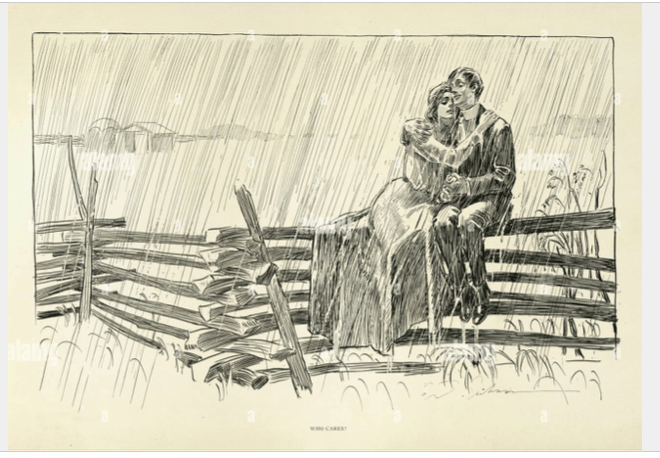
The Go-Between examines the impact of the collision of childish innocence and the world of adult relationships. The reader knows immediately what is going on between Marian and Ted, and understands why they are both so indulgent of Leo, while Leo is blissfully unaware that he is being unconsciously flattered and coerced into the go-between role. Such a high level of dramatic irony makes for an intriguing read.
Though it is the summer holidays, the influence of school has a profound effect on Leo’s outlook and actions. Him and Marcus feel bound by their boarding school’s social rules not only in the schoolyard but in their everyday lives, and Leo has a reputation among his classmates as a successful magician after he cursed two boys that were bullying him and they subsequently fell off the school roof and were injured. Such strong belief in these rules confuses Leo’s relationship with the adult world which he encounters at Brandham Hall, adding to the ticking time bomb of what was to come.
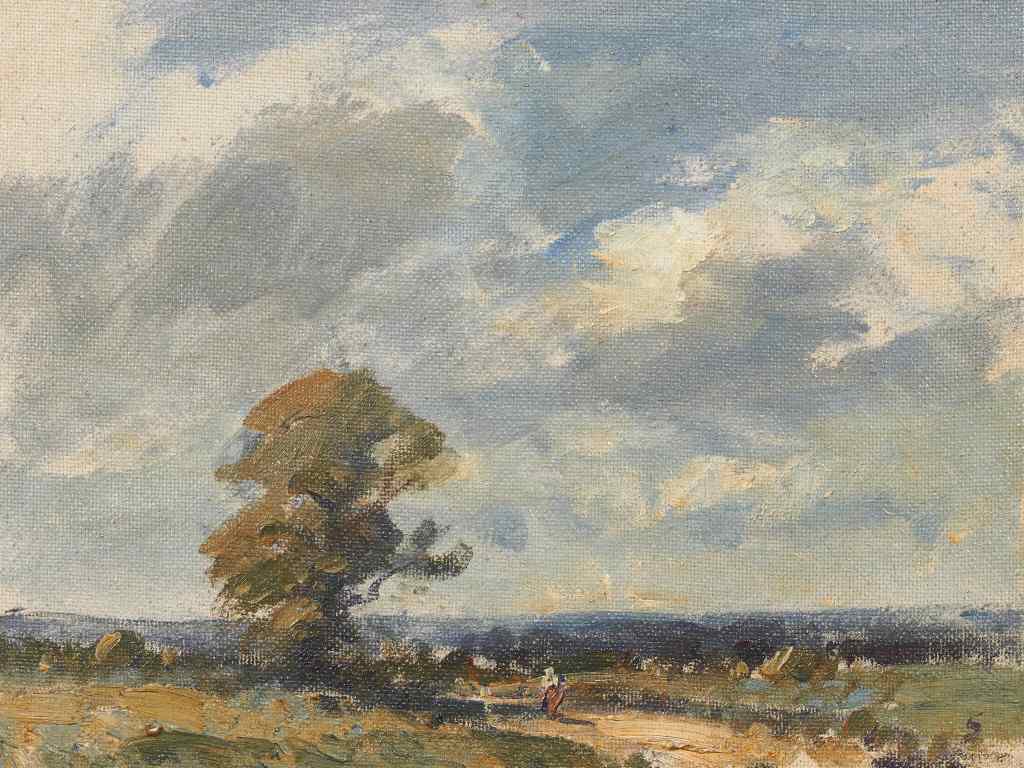
It is also clear when reading The Go-Between that Leo feels emotions very strongly, suddenly, almost uncontrollably, which is a constant reminder of his young age and maturity level while he is being slowly dragged into a an risky situation of very grown-up proportions. In the end, older Leo says that what happened traumatised him so much that it led to a nervous breakdown and has irrevocably affected his adult life in terms of his ability to form relationships and deal with emotions. Hartley’s superb examination of the interplay between childhood and adulthood in The Go-Between has made it a hugely influential work. For example, Ian McEwan describes his acclaimed novel Atonement (2001) as a kind of homage to Hartley’s novel.
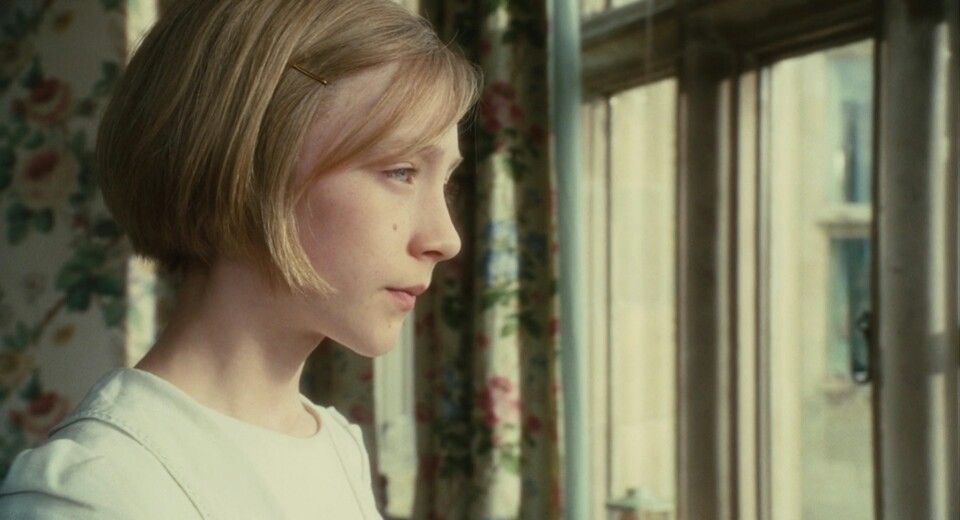
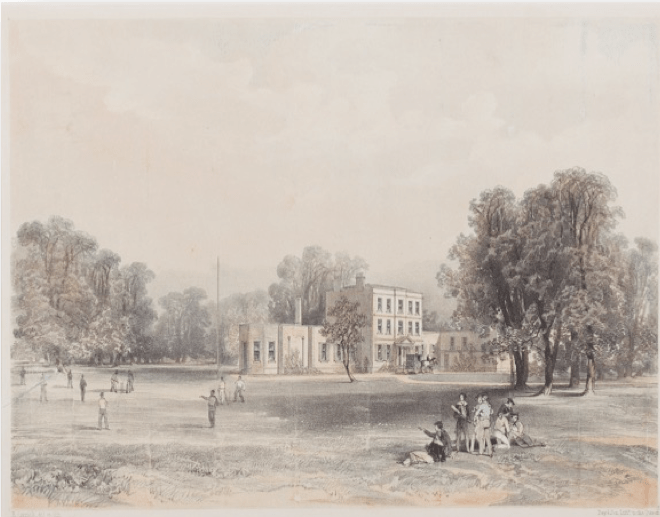
As mentioned, the turn of the twentieth century is an era I enjoy delving into and The Go-Between is in many ways faithful to the time it was set. Descriptions of cricket matches, picnics and river bathing conjures up a beautiful impression of a classic summer in the English countryside, accompanied by late Victorian dress, social customs and manner of speech. Though the novel is overall a critique of society at this time, there are some favourable moments to be had thanks to these elements.
All in all, The Go-Between is a clever and arresting story about class, innocence and relationships at the turn of the century that will leave you thinking about it long after you have finished reading it.
Happy reading,
Imo x
 ImoReads