
Blog Nº 3
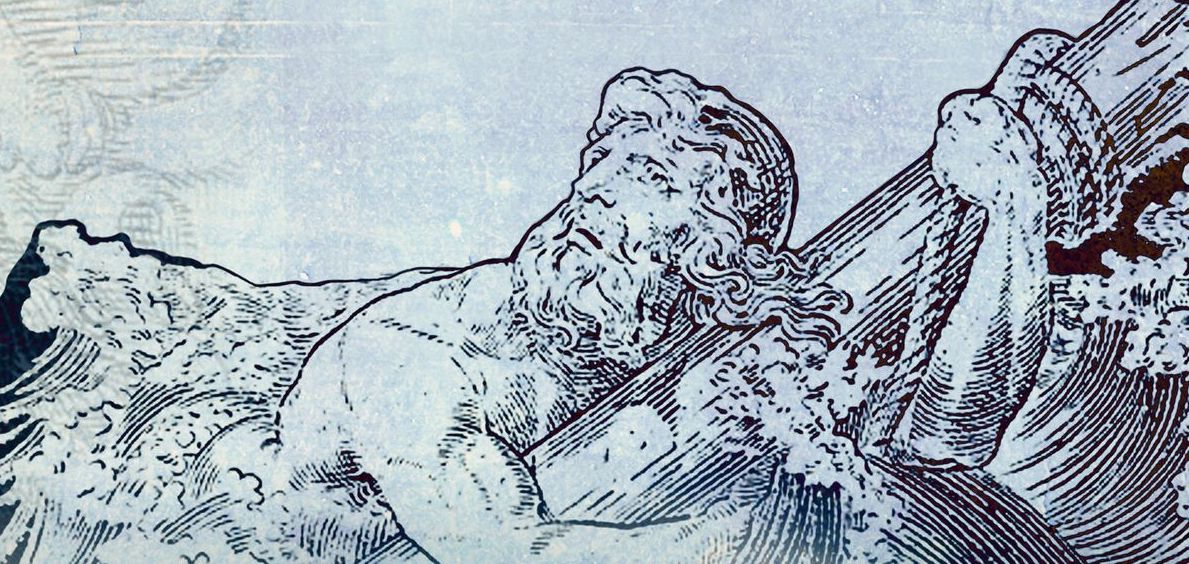
“The gods sat down for council, with the great
Thunderlord Zeus. Athena was concerned
about Odysseus’ many troubles,
trapped by the nymph Calypso in her house.”
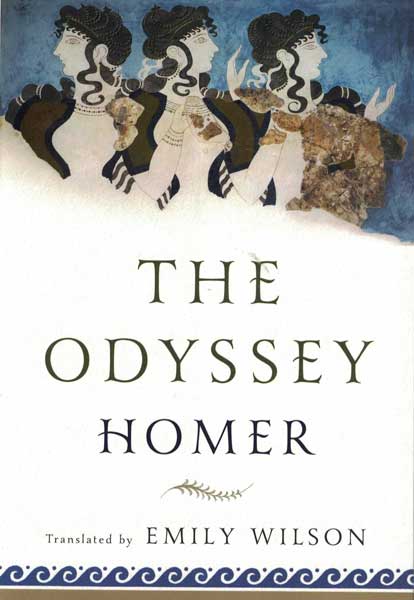
The Guardian culture writer Charlotte Higgins calls Emily Wilson’s translation of Homer’s The Odyssey ‘a cultural landmark’ and believes it will ‘change the way the poem is read in English’. I have to agree with her wholeheartedly on this point.
This epic poem, one of the longest in recorded history, has been translated many times including over 60 attempts into English. And yet, Wilson’s version is the first to be done by a woman. I feel privileged that this is the first version I got to read; I thoroughly enjoyed it and found it enchanting on so many levels.
The Odyssey tells the story of Odysseus’ decade-long struggle to return home to Ithaca after the Trojan War. En route he faces the wrath of many gods and faces off against mythical creatures such as sirens and cyclops. All the while his wife Penelope and son Telemachus are in a constant state of anxiety trying to ward off the mass of suitors vying for Odysseus’ title, home, riches and wife. The poem ends with Odysseus’ return and glorious fight to take back Ithaca from the suitors.

Wilson somehow manages to style the language as crisp and comprehensible whilst also still evoking a captivating sense of antiquity. I think one of the key earmarks of this is the use of epithets. Some of my favourite character examples are ‘sharp-eyed Athena’ and ‘crafty Odysseus’. These would not be common terms to describe someone today, and yet they are still perfectly understandable. Furthermore, the island of Pylos is always described as ‘sandy Pylos’, and the goddess Athena is always pouring ‘sweet sleep’ onto the eyes of the mortal characters. There is no opulence in Wilson’s epic voice; these are just simple adjectives, and yet they accentuate that memorable, rhythmic quality of the ancient bardic tradition of oral poetry that Homer used as inspiration for The Odyssey.
I love also that Wilson has chosen to write in the English epic metre of iambic pentameter. Immediately I was drawn in by the enchanting, methodical rhythm of the poem; it somehow makes you feel as if you are watching the events unfold first-hand but also like you are hearing a song about a tale that happened a long time ago.
Although I am glad this is the first version I have read, I feel I do it a slight disservice by having not read any of the previous male-translated versions, because it is harder for me to appreciate how Wilson overcomes certain masculine conventions. For example, as I read it, one of Odysseus’ key characteristics that I picked up on was his duplicity. He is a hero nonetheless, but he has a talent for cunning and self-preservation. He is the only member of his crew to return to Ithaca alive and according to Higgins, Wilson’s translation that ‘he failed to keep them safe’ is the truest translation of the ancient Greek. She compares this to two male versions which translate this line as ‘he could not save them from disaster’ and ‘but so their fates he could not overcome’. Wilson does not let Odysseus off the hook quite so easily and reveals him for what he is.
So, one of my upcoming assignments will be to read a different version of The Odyssey to compare it to this one. However, I know I will be hard-pressed to find one better than Wilson’s. I would absolutely recommend this work if you want an enchanting introduction to the myths and legends of Ancient Greece; it is as riveting as it is prestigious. Next on my list of ancient classics? Homer’s The Iliad and Ovid’s Metamorphoses (Emily Wilson if you’re reading, please gift us with translations of these too…)
Happy reading,
Imo x
 ImoReads